

























































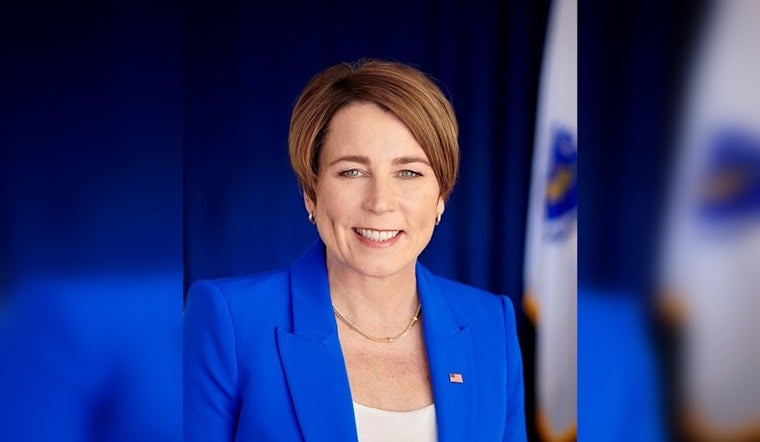
Gov. Maura Healey has signed off on a new kind of deal for future doctors: a $10 million pilot scholarship at UMass Chan Medical School that wipes out tuition for some students in exchange for years of primary-care service in Massachusetts. The program, tucked into a broader spending package Healey signed last Friday, is built around a simple trade. Medical students who choose family medicine, finish their degrees at UMass Chan and then commit to practicing in the commonwealth for at least five years can get their tuition covered.
Under the Senate’s plan, those newly minted doctors would be steered first toward community health centers and hospitals that serve lower-income patients. Lawmakers argue that the state cannot solve its primary-care crunch without making the math work for students facing eye-watering bills. UMass Chan lists the total annual cost of attendance at about $83,247 for in-state students and roughly $113,673 for non-residents. Tuition alone is around $42,284 and $72,710, respectively, which, GBH News reports, helps explain why many graduates steer away from lower-paying primary-care work.
How the pilot was approved and paid for
The scholarship money is part of a $1.56 billion supplemental spending bill that Healey signed into law last week. That package includes a $10 million appropriation set aside specifically for a primary-care physician scholarship program, according to NBC Boston.
Beacon Hill leaders say a big share of that bill draws on surplus revenue from the voter-approved Fair Share surtax. As Patch has reported, that surtax has been bringing in extra dollars that lawmakers are now channeling into education and transportation priorities, with this medical-school pilot framed as part of that broader investment push.
Lawmakers say the scholarship answers a gap
Senate leaders are pitching the scholarship as a focused recruiting tool for a field that has been quietly hemorrhaging talent. Retirements are up, burnout is high and primary-care offices across the state report struggling to hire.
"The need is dire in Massachusetts," Senate President Karen Spilka said, underscoring that residents are waiting longer for basic appointments and routine care. Senate Ways and Means Chair Michael Rodrigues told GBH that the initial $10 million infusion could support multiple cohorts of family-medicine students at UMass, creating a steady pipeline into clinics that cannot otherwise compete for physicians, as reported by GBH News.
UMass Chan's role and next steps
UMass Chan, the commonwealth’s public academic health sciences center based in Worcester, will now have a central role in turning this idea into a working program. According to the school’s public information, university officials will help design who qualifies, how service commitments are tracked and what happens if a student’s plans change midstream, per UMass Chan.
State and university leaders still need to write the implementation rules, set application timelines and decide how to prioritize placements. Those details will ultimately decide which communities see new doctors first and how much the program truly boosts primary-care capacity across Massachusetts.
What happens now
With H.5740 now enacted, lawmakers and UMass Chan officials are shifting from budget talk to on-the-ground logistics. Local representatives say the scholarship is one piece of a larger effort to shore up health-care access in cities like Worcester and beyond, as Patch reported.
Local outlets including Boston 25 News have also been tracking the governor’s move. For now, students, hospitals and community clinics are waiting on key details: who can apply, when they can start and what accountability measures will be in place for those who take the state up on its free-tuition offer.


