

























































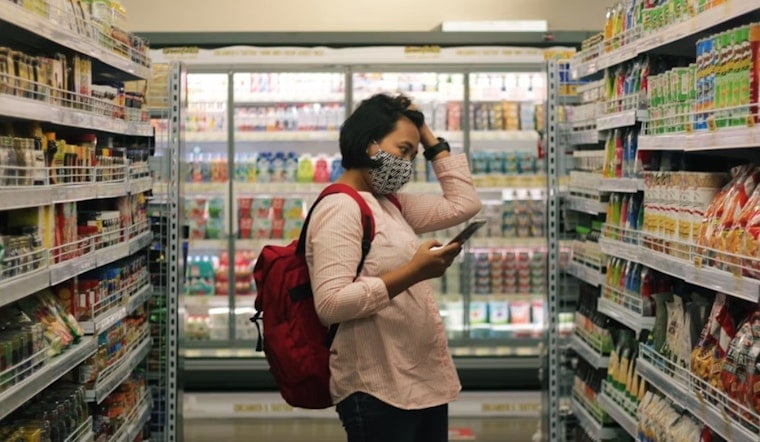
If your weekly supermarket receipt has crept higher, you are not imagining it. From pricier avocados to more expensive steaks, shoppers in San Francisco and across the country are watching grocery bills chew through household budgets. Researchers and economists now say hotter summers, droughts and floods are increasingly part of the explanation, quietly adding a climate surcharge at the checkout.
How the climate is showing up at the checkout
As reported by Bloomberg, extreme weather is already cutting yields, snarling transport and nudging prices higher for staples like coffee, fresh vegetables and beef. The feature traces how those climate-linked shocks, stacked on top of other cost pressures, are filtering onto supermarket shelves in ways households can feel every time they swipe a card.
Research ties weather shocks to sudden price jumps
A 2025 study in Environmental Research Letters compiled at least 16 examples since 2022 where heatwaves, droughts and heavy rains were followed by sharp commodity price spikes. The paper highlights cases from U.S. vegetable markets to European olive oil and West African cocoa, including roughly 50% jumps in EU olive-oil prices and nearly 300% surges in cocoa prices tied to unprecedented heat and drought, underscoring how local crop losses can ripple into global markets.
Geopolitical shocks make a bad situation worse
Those climate pressures are landing on top of geopolitical and supply shocks that lift input costs and complicate distribution. As reported by The Guardian, the World Food Programme and U.N. agencies warn that disruptions around the Gulf and to fertilizer shipments have added a second inflationary impulse that can amplify climate-driven price swings.
What it means for Bay Area shoppers
For U.S. households the numbers are already visible: according to the USDA Economic Research Service, food-at-home prices are forecast to rise about 3.2% in 2026, and the Bureau of Labor Statistics shows food-at-home inflation was roughly 2.9% year-over-year in April 2026. USDA also points to outsized swings for fresh vegetables and beef this year, which means seasonal shortages or weather shocks can hit grocery bills hard in the Bay Area market.
What shoppers and policy can do
Short-term moves by consumers, such as favoring seasonal or frozen produce, comparing unit prices and leaning on bulk or co-op buying, can blunt the immediate sting of price spikes. Longer-term relief depends on policy and industry shifts: investments in irrigation, cold storage, diversified sourcing and emissions reductions can reduce vulnerability to the extreme weather that drives the biggest price shocks.
Expect more volatility at the checkout as the planet warms and global shocks continue to ripple through food markets. Shoppers who pay attention to seasonality and keep an eye on USDA and market reports will be best placed to see which staples are most likely to jump next.





