

























































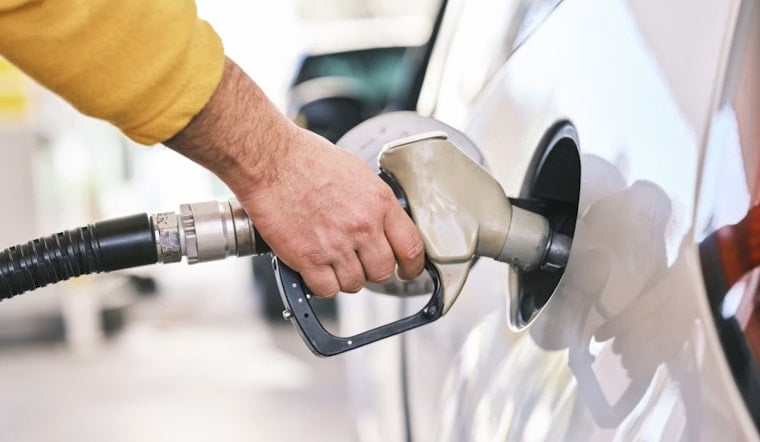
With the July 4 travel rush closing in, Michigan drivers are feeling fresh pain at the pump. The statewide average is sitting near $4.10 per gallon, while Metro Detroit is around $4.14, which pushes a typical 15-gallon fill-up to roughly $62 at current rates.
AAA: Statewide Averages Creep Up Before The Holiday
According to AAA-The Auto Club Group, Michigan drivers are paying an average of $4.10 per gallon for regular unleaded, about 9 cents more than a week ago but roughly 42 cents lower than a month earlier. Metro Detroit's average is about $4.14 per gallon, and AAA notes that a typical 15-gallon tank now costs about $62. "Michigan drivers are seeing higher gas prices as we head into a busy Fourth of July travel week," AAA spokesperson Adrienne Woodland said.
GasBuddy: National Relief, Local Roller Coaster
As reported by The Detroit News, GasBuddy's Patrick De Haan said average gasoline prices fell in 46 states over the last week and that diesel declined in 49, pushing the national average lower by about seven cents and to its lowest level since mid-March. De Haan told GasBuddy he expects the national average may continue drifting lower this week, even as local price cycling can still send pump prices higher in individual markets.
Price Gaps Across The Mitten
AAA's breakdown of state prices shows some sharp regional differences. Ann Arbor's average is about $4.16 per gallon and Jackson's is roughly $4.12, while Marquette and Traverse City are closer to $3.72 and $3.98 respectively. Those swings mean drivers filling up in pricier metro areas can expect to pay several dollars more per tank than motorists in northern or tourist regions.
How To Dodge The Worst Prices
Station-level checks underline just how scattered prices can be. The Detroit News notes GasBuddy's survey found Detroit's cheapest station at about $3.37, while statewide highs topped $5.64 on June 28. If you are traveling for the holiday, it may pay to compare prices with the AAA app or GasBuddy and consider filling up before you roll into higher-priced metro stretches. For local context on recent swings, see Hoodline's earlier look at the market in its report on recent pump whiplash.



