

























































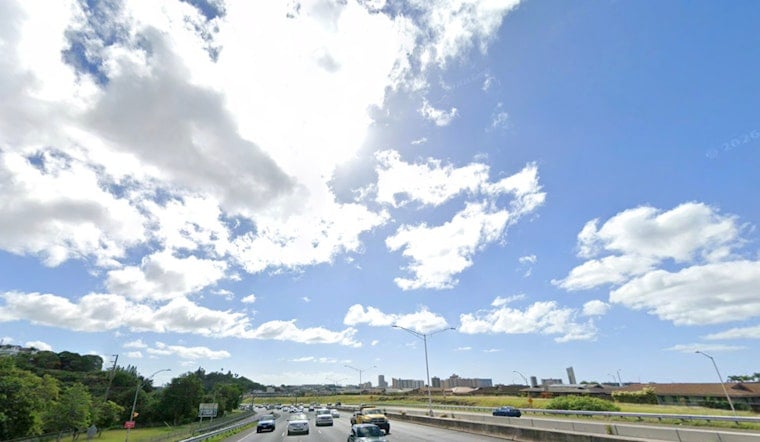
Honolulu is rolling through a warm, breezy Tuesday with mostly clear skies and highs in the mid 80s, as east-northeast trade winds keep things feeling plenty gusty. Light, scattered morning showers are expected over windward and mauka spots before the sun takes over in the afternoon. Out on the water, a Small Craft Advisory is posted for the usual windier channels through 6 p.m. HST, and forecasters are already eyeing a building south-southwest swell set to move in this weekend.
Afternoon Winds Pick Up
Showers are most likely before noon, then conditions turn mostly sunny with a high near 85°F. Tonight, temperatures dip into the mid 70s. East-northeast winds of 13 to 20 mph, with gusts up to 28 mph, will leave exposed shores on the choppy side, though rainfall totals should stay light at generally under a tenth of an inch, according to the National Weather Service Honolulu.
Plan Ahead
Tie down umbrellas and outdoor furniture before the trades try to relocate them, and give yourself a little extra time on commutes that cross exposed roads, where gusty crosswinds can nudge high-profile vehicles. A light rain jacket will cover you for brief morning showers, while afternoon plans should enjoy more sunshine. Beachbound residents should check posted warnings and follow lifeguard instructions, especially near exposed breaks and rocky points.
Marine And Surf Outlook
A Small Craft Advisory remains in effect until 6 p.m. HST today for the Alenuihaha Channel, Maalaea Bay, Pailolo Channel and several Big Island coastal waters, so small-boat operators are better off sticking to more sheltered harbors, according to the National Weather Service Honolulu.
A storm near New Zealand is expected to send a large south-southwest swell into the islands Saturday night into Sunday, June 13–14, 2026. Forecasters warn the swell could push south-shore surf above advisory levels and, when paired with the month’s higher tides, raise the chances of wave runup on low-lying roads and boat ramps, according to NOAA.





