

























































In Houston, grieving families and victim advocates are squaring off with a booming true-crime culture, arguing that a quiet gap in Texas law has turned their worst moments into online fodder. They say social-media sleuths and content creators are slipping through a legal side door to grab graphic murder evidence, then repackaging it for clicks, all while families relive their trauma.
As reported by FOX 26 Houston, local advocates are now urging state leaders to shut that door by tightening public-records rules and closing what they describe as an "expressive work" loophole.
What the law says
Texas law classifies certain "sensitive crime scene images" as confidential and generally off-limits to the public. Under the statute, photos or video that show a deceased person in a state of dismemberment, decapitation or similar mutilation, or that depict genitalia, are restricted to a short list of authorized people and entities, according to Texas law.
How the loophole works
There is an exception. The statute lets certain categories of people view or copy those sensitive images, including next of kin, criminal defendants and their attorneys, bona fide academic researchers and, crucially, “a person who establishes ... an interest ... in support of the creation ... of an expressive work.”
The state's Public Information Act handbook explains that when someone claims that expressive-work purpose, the agency holding the records must notify the deceased person's next of kin and generally allow viewing within 10 business days unless the agency asks the attorney general for a ruling, according to guidance from the Texas Attorney General.
Why advocates say change is needed
Victim advocates say that expressive-work carve-out has been stretched well beyond what lawmakers ever pictured, with true-crime creators, amateur internet sleuths and for-profit media able to request material families thought would stay sealed.
They point to a broader national trend in which horrific crime images can ricochet across the internet in seconds, deepening the pain for survivors and next of kin. National coverage has traced how the rise of social platforms and viral true-crime content has complicated long-standing public-records policies, as detailed by The Washington Post.
What advocates want and the trade-offs
Houston advocates told local reporters they are pushing for a legislative or administrative fix that would narrow the "expressive work" exception so casual content creators cannot simply invoke it to fuel online channels, FOX 26 Houston reports.
Opponents counter that if lawmakers overcorrect, they could inadvertently muzzle legitimate journalism and academic research. Open-government advocates argue any reform needs to be carefully calibrated to protect both transparency and family privacy, citing the Reporters Committee for Freedom of the Press' guidance on Texas open-records law and best practices.
Legal implications for agencies and requesters
The Public Information Act packs real teeth for mishandling confidential material. The attorney general's handbook notes that releasing information made confidential by law can be prosecuted as a misdemeanor. Agencies that are unsure whether an exception applies can ask the attorney general for a formal decision, which pauses disclosure while that office reviews the dispute, according to state guidance from the Texas Attorney General.
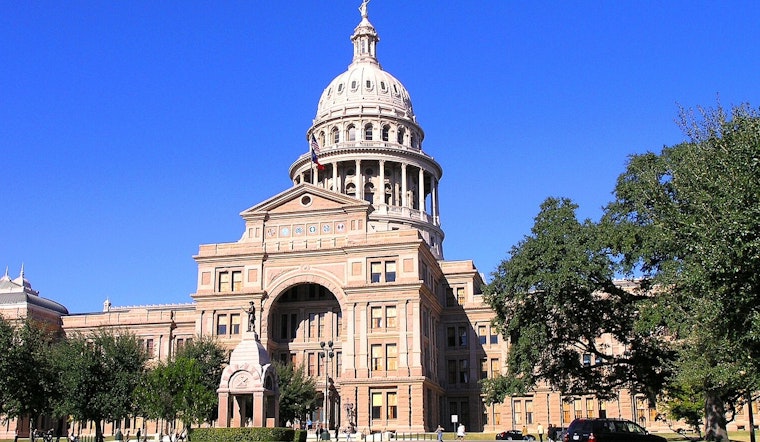
Advocates say they plan to take their case to lawmakers in Austin in the coming months. Any rewrite could reset who is allowed to view, copy and ultimately publish the most graphic images from violent crimes. Until then, families and records officers are left working with a statute written long before social video and viral true-crime channels, and that tension is likely to shadow every fight over what the public gets to see.





