

























































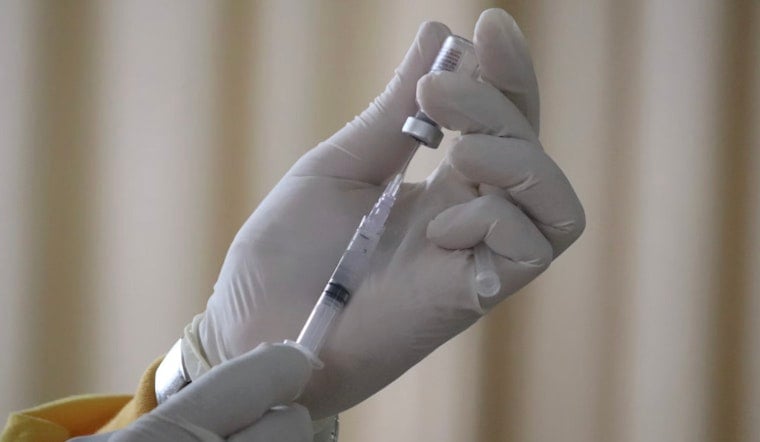
Houston scientists think they may have found a way to keep fentanyl from ever reaching the brain, potentially cutting the deadly respiratory failure that has defined the drug crisis. An experimental vaccine created at the University of Houston has moved from lab benches to early human testing after dramatic animal results, and researchers say it could eventually become a proactive tool in the fight against overdoses. The work hits especially close to home in Houston, where researchers and health officials are watching closely for anything that might slow the death toll.
How the vaccine works
The shot is designed to train the immune system to spot fentanyl before it can do damage. Scientists attach a harmless piece of the fentanyl molecule to a carrier protein plus an immune-boosting adjuvant, which teaches the body to churn out antibodies that bind to fentanyl in the bloodstream, according to Live Science. Once those antibodies grab onto fentanyl, the drug becomes too bulky to cross the blood-brain barrier, so users would not feel the usual high or the dangerous slowdown in breathing. The team notes that the vaccine uses a CRM197 carrier and a dmLT adjuvant, both of which have been used in other human vaccines, a detail that could help speed safety evaluations.
What worked in animals
The lab data so far have been eye-opening. In rodent studies, vaccinated animals kept breathing close to normal after fentanyl doses that knocked out unvaccinated controls, while a separate research group reported that its vaccine candidate cut fentanyl levels in the brain by about 70 percent, according to Scripps Research and the published animal literature. Peer-reviewed rodent work from the University of Houston team also found that the vaccine blocked fentanyl’s effects for months at a time, results that helped push the technology toward licensing and human testing (PMC). Scientists are quick to say that success in animals does not guarantee success in people, but the preclinical signal is strong enough that they argue it justifies cautious human trials.
Early human trials and what they test
The vaccine has now entered a combined Phase 1 and 2 trial in people that focuses on safety and on whether vaccine-driven antibodies can blunt fentanyl’s impact on breathing, according to JAMA. Volunteers receive increasing doses of the vaccine, and those who reach a preset antibody level are then given carefully monitored doses of fentanyl in an operating-room-style environment so researchers can track breathing and other vital signs in real time. Trial leaders told JAMA they expect initial blinded top-line data in the final quarter of 2026, results that will determine whether larger studies on real-world overdose prevention are warranted.
Limits, caveats and public-health context
Even its biggest supporters say this will not be a magic shot that fixes the overdose crisis on its own. Very large fentanyl doses could still overwhelm the antibodies, and a vaccine that only targets fentanyl will not address risks from other substances, housing instability or the broader drivers of addiction, according to Healthline. Clinicians also flag that the vaccine could complicate the medical use of fentanyl in anesthesia, though developers point out that the antibodies appear selective enough that many other opioid pain control options should remain on the table. National provisional statistics show that synthetic opioids are still a leading force behind overdose deaths, a backdrop that helps explain why health agencies are scrambling for new prevention tools, as reflected in provisional data from the CDC.
In Houston, where the UH Drug Discovery Institute has been central to the vaccine’s development, the project is both a point of pride and a reality check about how long it takes for biomedical ideas to pay off, according to the University of Houston. Local TV coverage on FOX 26 Houston on June 18, 2026, highlighted both the promise and the many unanswered questions about how such a vaccine might fit into existing prevention and recovery programs. Researchers urge patience as human data roll in and stress that, if the shot is eventually approved, it will likely serve as one tool among many in a larger public-health response to overdose deaths.





