

























































In Howard County, the newest round-the-clock vending machines are not pushing chips or soda - they are stocked with overdose-reversal kits and harm-reduction supplies that could keep someone alive long enough to reach treatment.
The county this week installed two 24-hour naloxone and harm-reduction vending machines, giving residents anonymous access to free overdose-reversal kits and test strips. The rollout comes as officials report a nearly 62% drop in fatal overdoses over the past five years, with deaths falling from 26 in 2021 to 10 in 2025. County leaders say the machines are one more way to chip away at stigma and put lifesaving tools where people can actually get to them.
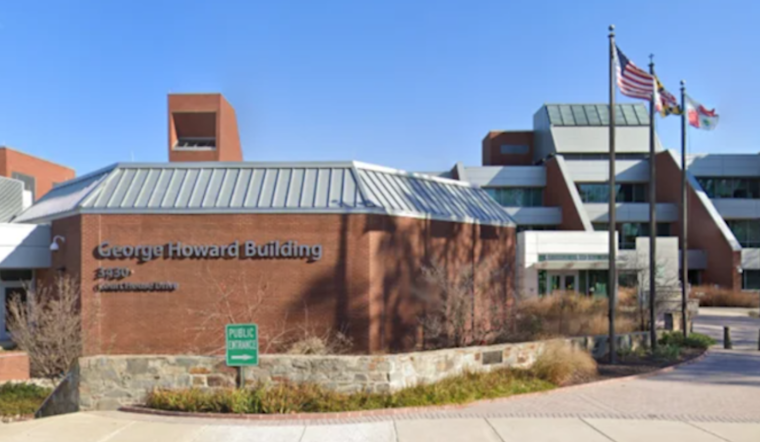
County health officials placed the machines at the Grassroots Day Resource Center in Jessup and outside the Howard County Health Department in Columbia, according to CBS Baltimore. The units dispense free two-dose boxes of naloxone along with hygiene and personal-safety items, and each machine includes a QR code that links to immediate naloxone training and treatment resources. Officials told the outlet that every item is free and that users are asked only for basic demographic details for internal tracking.
County funding and rollout plan
The county's Local Behavioral Health Advisory Board reported that planning for both indoor and outdoor harm-reduction vending machines had been underway and that the project secured funding from the Opioid Restitution Fund, which is managed by the Department of Community Resources and Services, according to the board's 2025 annual report (Howard County LBHAB report). The report notes that officials used county substance-use data and an overdose-risk map to pick locations. County leaders describe the machines as one piece of a wider harm-reduction strategy that also includes peer recovery support and syringe services.
What's stocked and why officials say it matters
The machines are set to carry naloxone, fentanyl test strips and other harm-reduction supplies, including xylazine and medetomidine test kits, along with condoms and basic personal-care items. "This vending machine investment will help lower the barriers of stigma, cost, and access to these essential resources," Howard County Health Officer Dr. Maura Rossman told CBS Baltimore. Officials say they hope 24/7, anonymous access will reach people who avoid or cannot use traditional clinic or pharmacy channels.
A look at the numbers
Howard County has been steadily expanding naloxone distribution and harm-reduction services. The LBHAB report notes increases in naloxone trainings and kits distributed from FY24 to FY25, and materials from the Maryland Department of Health list the Howard County Health Department and local partners as sites offering naloxone as well as fentanyl, xylazine and medetomidine test strips (Howard County). Local reporting has pointed to county and state data showing the five-year decline in fatal overdoses, along with ongoing nonfatal overdoses that officials say they will track as the machines come online.
Where to get supplies now
Grassroots leaders note that the Jessup day center serves people experiencing homelessness and other residents with high needs, and say that placing a machine on-site gives visitors a low-barrier way to pick up supplies without worrying about clinic hours. The center lists its address and services on its website (Grassroots Crisis Intervention). The Howard County Health Department continues to provide harm-reduction services at its Columbia location and through mobile and community partners. Officials plan to monitor how often the machines are used and are open to shifting locations or adding units as needed.
Next steps and what advocates say
Public-health advocates have largely welcomed the vending machines as a practical, low-barrier tool, while emphasizing that they need to be paired with sustained investment in treatment and recovery services. State guidance and local EMS leave-behind programs from the Maryland Department of Health mean naloxone is increasingly available through multiple channels, and county officials say they will watch uptake and overdose trends to gauge the machines' impact. They are also urging residents to complete naloxone training, which is available online and through community providers.





