

























































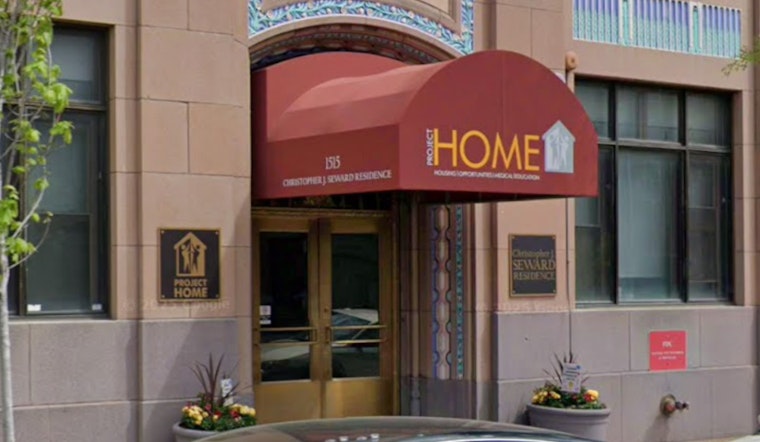
In Philadelphia’s crowded emergency rooms, doctors are trying something different for patients who are both seriously ill and living on the street: instead of discharging them back to the sidewalk, they are sending them straight into recovery-focused housing. A new $25 million philanthropic push is powering a Project HOME collaborative that links hospital emergency departments with low-barrier shelters and recovery residences. The goal is simple but ambitious: reserve beds, provide hands-on case management and give medically fragile people enough time and support to actually finish treatment instead of boomeranging between the ER and the street.
Organizers say the model is built to cut down on repeat emergency visits while offering a more stable route to recovery and, eventually, permanent housing.
One early participant, 41-year-old Joseph "Joey" Essinger, spent years unhoused before a 2025 foot injury left him using a wheelchair and opened the door to a placement at Project HOME’s Sacred Heart Recovery Residence, as reported by Billy Penn. Essinger told the outlet the program provided a phone, clothes and steady medical follow-up. "They saved my life," he said. Staff and hospital case managers say his story is exactly the kind of case the collaborative is designed to catch before it falls through the cracks.
How hospitals and housing are linked
Project HOME organized what it calls the Estadt-Lubert Collaborative with Penn Medicine, Jefferson Health and Temple University Health. The group’s pitch is a "healing ecosystem" that pulls together integrated healthcare, permanent supportive housing and employment supports, according to a press release via Project HOME.
Each hospital system is supplying staff and outreach to spot emergency department patients who meet the program’s guidelines. Leaders say pairing clinical teams with housing case managers tightens the gap between short-term hospital care and the long-term support people need to stay off the street and on a path to stability.
Beds, services and the day-to-day work
To make the strategy real instead of theoretical, program managers have locked in slots for collaborative participants at Sacred Heart, the Inn of Amazing Mercy, St. Elizabeth’s Recovery Residence and Prevention Point’s Beacon House, with staff making frequent visits to patients in those settings, as reported by Billy Penn.
Case managers provide wraparound support: helping people get cell phones, arranging rides to medical appointments, navigating insurance and even accompanying residents to clinic visits. Clinicians say that kind of labor-intensive work is especially crucial for patients with complex medical issues tied to the changing drug supply and chronic, hard-to-heal wounds.
Money, scale and evaluation
The initiative grew out of a May 2023 lead gift and is backed by a $25 million donation from philanthropists Pam Estadt and Ira Lubert, which organizers say will fund the collaborative’s early years. As reported by The Philadelphia Inquirer, the money is meant to support an initial phase while Project HOME works to raise roughly $100 million for a broader, long-term effort.
Local reporting and partners say the collaborative is aiming to grow to about 150 beds over the next several years, which could serve hundreds of people if additional funding comes through, per WHYY.
Questions remain
Project HOME says the collaborative will build in "continuous learning" and data collection to track whether the model actually cuts repeat emergency visits and to refine best practices over time, according to Project HOME. Leaders acknowledge the big lead gift is a strong start, but say keeping the doors open and exporting the model elsewhere will demand more private philanthropy and public dollars.
Advocates argue the program is arriving just as the medical needs of people who use drugs are becoming more complicated and more severe, especially for those stranded between hospital care and stable housing, a trend local reporting has documented, per WHYY. If evaluations show fewer repeat ER visits and lower hospitalization costs, officials say the collaborative could become a template other cities look to copy.



