

























































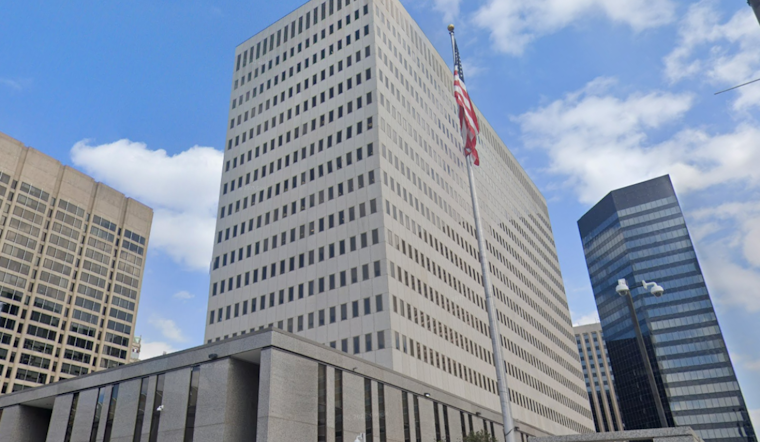
This month, in a packed Baltimore immigration courtroom, judges plowed through what advocates have started calling "mega" master-calendar dockets, calling more than a hundred names in a single morning with little notice and even fewer lawyers in the room. The sped-up scheduling, part of a Justice Department effort to move deportation cases faster, kept the docket running for hours and sent many people out the door with new court dates months away.
As reported by The Banner, Judge Nelson Vargas-Padilla’s June 4 morning docket listed roughly 120 names, but only 17 people had attorneys on file. The outlet quoted immigrants who said they got barely two weeks' notice and were "really scared to come," and described court staff ushering people into the room in groups as large as 25 while others were turned away with new hearing dates in August.
How "mega masters" work
Master calendar hearings, sometimes nicknamed "mega masters," bundle dozens or more first court appearances into a single session. Judges use these hearings to set procedural dates and take brief statements instead of hearing full asylum claims or detailed testimony on the spot.
Reporting from KQED shows that immigration courts around the country have been yanking cases forward on short notice as the Department of Justice tries to chip away at a massive backlog. The Washington Post has also chronicled judges handling extraordinarily high numbers of cases in a single day under the same push.
Why advocates say due process is at risk
Immigrant-rights lawyers argue that cramming so many people into one session hits those without attorneys the hardest. When hearings are moved up with little warning, they say, people are more likely to miss court or show up unprepared, raising the odds of in-absentia removal orders if someone does not appear at the right time and place.
Data from TRAC and accounts from court observers show that having legal representation sharply improves outcomes in immigration court. National reporting has detailed cases in which large, rushed dockets left many people unable to find an attorney in time. Advocates warn that when calendars are compressed and notice is short, the formal right to be heard can shrink into something more like a checkbox than a real opportunity for migrants with limited resources to make their case.
Where this is spreading
The Baltimore session mirrors a wave of oversized dockets that have surfaced this month in New York, New Orleans, and other cities, as documented by The Washington Post. Local coverage of the chaos at Canal Place has described immigrants in New Orleans being funneled into similar "mega" court sessions.
Legal organizations are scrambling to get the word out about sudden hearing notices and to expand pro bono help, worried that the Justice Department’s speed-up campaign could fuel wrongful in-absentia deportation orders.
The Banner reported that the Executive Office for Immigration Review did not respond to emailed questions. The Department of Homeland Security, in a statement, said that anyone with a final order of removal has received full due process. As these packed dockets spread, attorneys and advocates say the real test will be whether courts leave enough room for immigrants to meaningfully prepare their cases, not simply whether a hearing technically took place.





