

























































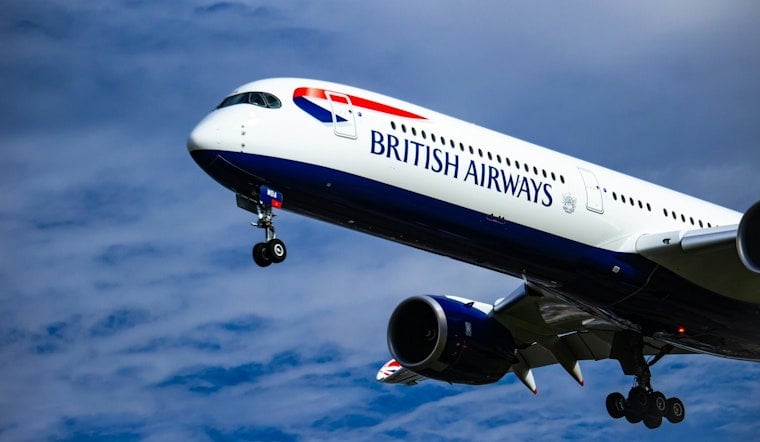
Samanta Bullock, a London-based disability activist, model and CEO of Bullock Inclusion, says a British Airways gate agent at John F. Kennedy International Airport refused to let her board a transatlantic flight after staff said cabin crew could not help her reach the lavatory in flight. Bullock says she was then moved to an American Airlines service, where she was again pressed about how she would use the bathroom, and she has signaled she plans to take the matter to court.
What Bullock says
Bullock documented the episode on social media, writing that she was “denied because I am disabled and traveling independently.” She says gate staff told her the crew could not evacuate her in an emergency and raised concerns about her ability to get to the lavatory during the long-haul flight.
As reported by the New York Post, Bullock said she had booked the ticket nearly two months earlier. Her website notes she is the founder of Bullock Inclusion and a former wheelchair-tennis standout.
Airline response
British Airways told Air Traveler Club that it is “urgently looking into what happened” and is in direct contact with Bullock while the airline reviews how the situation was handled at the gate. Beyond that brief statement, the carrier has not released a more detailed explanation of the gate agent’s decision.
What the law requires
Federal rules under the Air Carrier Access Act and the Department of Transportation’s Airline Passengers with Disabilities Bill of Rights require airlines operating from U.S. airports to provide specific in-flight assistance. That includes using an on-board wheelchair to move a passenger to or from an accessible lavatory when that option exists on the aircraft.
The DOT also requires airlines to make a Complaints Resolution Official available at U.S. airports to help sort out accessibility disputes on the spot. Passengers who believe their rights were violated can also take their case to federal regulators. Guidance is available from the U.S. Department of Transportation.
A pattern at the gate
Advocates say Bullock’s account sounds familiar. They point to a string of recent disputes in which wheelchair users have been challenged at the gate over evacuation or lavatory access, arguing that the incidents highlight a gap between airlines’ official policies and what actually happens in front-line interactions.
A high-profile case earlier this month involving KLM drew widespread coverage and an apology from the carrier, underscoring how quickly these situations can escalate when a passenger is blocked from flying. That case was detailed in reporting from The Guardian.
Legal options and next steps
Bullock has said she will pursue legal action and has told followers she documented the encounter. Reporting indicates she was rerouted onto another carrier after the initial refusal at the British Airways gate.
Passengers who believe they have been discriminated against can file a complaint with the DOT’s Aviation Consumer Protection Office or pursue civil claims, and the DOT has previously investigated and resolved disability-related enforcement cases.
For now, British Airways says it is investigating, and Bullock says she intends to keep pushing until she gets answers. Advocates add that any regulatory action or legal filing that emerges from the case could put fresh pressure on airlines to spell out clear, consistent procedures for how gate staff handle disabled travelers at U.S. airports.




