

























































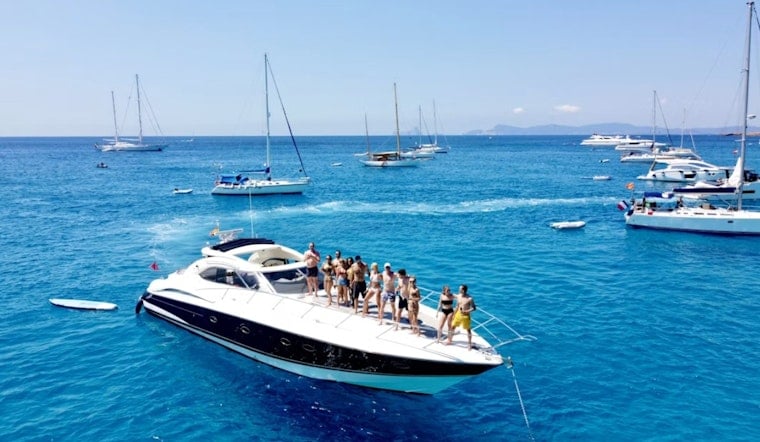
Jobbie Nooner, Lake St. Clair’s famously unruly and completely unsanctioned boat party, returns Friday and is expected to pack the shallow rings of water around Gull Island. Hundreds of vessels typically raft up for music, sun and drinking, turning the tiny man-made shoal into one of the region’s biggest unofficial summer blowouts. Federal and local authorities are again urging attendees to follow border-reporting rules and basic safety steps as they stage extra patrols and emergency resources for the day.
Dates and origins
The long-running tradition traces back to the 1970s and now happens twice a year, with the main gathering on Friday and a second “Jobbie Nooner Two” after Labor Day, according to JobbieCrew. What started as a handful of local boaters has grown into a regional rite of summer that draws participants from both sides of the border. Local guides and community pages still describe Jobbie Nooner as an organic get-together rather than a formally sanctioned festival.
What to expect at Gull Island
Timing matters. Early arrivals, roughly the 8 a.m. to 10:30 a.m. window, usually find easier anchoring and better positioning. Late morning and midday bring the heaviest traffic and the tightest raft-offs. Gull Island is a man-made shoal at the mouth of the South Channel, and veteran guides warn that Jobbie Nooner “is not a quiet day on the water,” as detailed by The Detroit News. Once boats are rafted in, moving is difficult, so experienced captains recommend planning an exit strategy before you drop anchor.
Border rules for Canadian boaters
Because Lake St. Clair sits on the international boundary, U.S. authorities have repeatedly reminded Canadian visitors that small pleasure craft arriving from abroad must report their arrival immediately to U.S. Customs and Border Protection. “If you do not follow the reporting requirements and enter the United States illegally, you will be prosecuted, and your vessel will be seized,” U.S. Border Patrol Detroit Sector Chief Patrol Agent John R. Morris said in a regional advisory reported by 7 News Detroit. Boat operators can often comply using the CBP ROAM mobile app as an alternative inspection system, per CBS Detroit.
Who will be on patrol
The U.S. Coast Guard, Customs and Border Protection and local sheriff’s deputies typically patrol the area and set up command posts on nearby Harsens Island or shore marinas to coordinate responses. Agencies told local reporters they view their role as safety first, responding to heat exposure, impaired operation, swimmers in distress and hazardous navigation in the crowded channels, according to The Detroit News. Post-event cleanup and trash removal are also routine duties for county crews and trustees the day after the gathering.
Boating tips for the day
Veteran attendees urge boaters to plan ahead for fuel, food, water and extra anchors, lines and fenders, and to make sure every passenger has a properly fitting life jacket. Community guides provide GPS coordinates and launch recommendations for reaching Gull Island, and they stress designating a sober operator to monitor safety. Keeping an eye on the weather is key, since storms can form quickly over the lake, and once you are locked into a raft, maneuvering out can be difficult.
Legal note
Federal law requires reporting a small vessel’s arrival from a foreign port, and authorities have warned that skipping that step can lead to fines, vessel seizure or prosecution. News outlets repeating the CBP advisory have highlighted that warning because Gull Island sits close to the international line and draws cross-border traffic. Boaters who are not sure how to comply are advised to contact CBP or use the agency’s mobile reporting tools before leaving foreign waters.





