

























































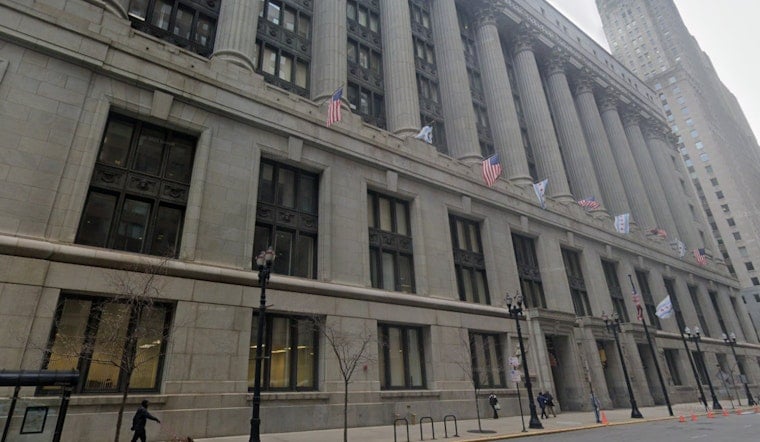
On June 23, 2026, Mayor Brandon Johnson jumped onto X with just two words: “Promises kept.” The victory lap came after his office said Chicago had shifted all municipal facilities to 100% clean energy, capping a transition that actually kicked in on Jan. 1, 2025. That is when city operations began drawing electricity from newly built Illinois solar capacity and purchased renewable energy credits, covering everything from airports and libraries to firehouses and water plants as part of a multi-year push to cut municipal emissions.
Promises kept.
— Mayor Brandon Johnson (@ChicagosMayor) June 23, 2026
How Chicago Got Here
The city says the shift to fully renewable municipal power took effect Jan. 1, 2025, and was expected to cut roughly 290,000 metric tons of carbon dioxide a year. City officials estimated that drop as the climate equivalent of taking about 62,000 cars off the road. The milestone covered more than 400 municipal buildings, including O'Hare and Midway airports, according to reporting from the Chicago Sun-Times.
Double Black Diamond and the Supply
Most of that power is tied to the Double Black Diamond solar project, an 800 MWdc (593 MWac) installation in Sangamon and Morgan counties that Swift Current Energy says was energized in April 2025. The developer says Chicago is one of several large public and private customers sourcing output from the farm, which was built to add new renewable capacity to the regional grid. Swift Current Energy announced the project's start-up in spring 2025.
Deal Mechanics and Local Benefits
Chicago's move grew out of a multi-year retail agreement with Constellation that helped finance roughly 300 MW of new renewable development and sleeve output from Double Black Diamond into the city's supply. Constellation's materials describe the deal as a large offsite renewables purchase that underpinned the solar project's financing, according to Constellation.
Local reporting from the Chicago Sun-Times says the city will source about 70% of its municipal electricity from the new farm and cover the rest with renewable energy credits. The arrangement also included community benefits and training funds tied to construction and jobs, according to Constellation.
Johnson's brief post framed the move as a delivered promise and a milestone in a longer shift toward citywide clean-energy goals. In a post on X, Mayor Brandon Johnson wrote “Promises kept.” Mayor Brandon Johnson's post. City sustainability officials say the transition buys the city time as it pursues broader targets to make Chicago's entire building stock renewable by 2035; the city's resilience materials lay out that longer path in Chicago's resilience plan.




