

























































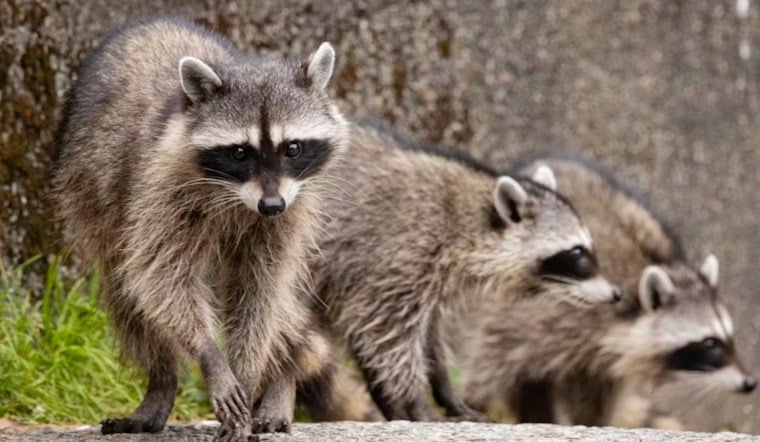
On Argyle Street in Kensington, neighbors say one long-abandoned rowhouse has turned into a full-on raccoon hangout, with critters scrambling through yards, over roofs and along alleys at all hours. Parents are keeping a closer eye on kids and pets, and residents say this is just the latest example of wildlife turning vacant city properties into makeshift homes.
The situation surfaced in a video posted June 11 by FOX 29 Philadelphia, which quoted residents saying the place is attracting “some highly unwanted guests, and a lot of them.” In the clip, neighbors point out gaps in the boards covering the house and describe raccoons moving across porches and into backyards. According to FOX 29, neighbors want the city to step in, secure the shell of the property and shut down the raccoon traffic.
Similar complaints have been bubbling up in other parts of Philadelphia. Last December, 6abc reported on Southwest Philadelphia residents demanding action after raccoons ripped through yards and settled into a condemned house. Local animal-control officials told reporters that calls like these are common and that even when a vacant structure is sealed, less-than-perfect boarding can still give wildlife an easy way inside.
City code and vacant-property rules
Philadelphia’s Department of Licenses and Inspections says owners of empty buildings are required to get a vacant-property license and take steps to keep pests from moving in before a place sits idle. “In accordance with Section 9-3905 of the Philadelphia Code, a vacant structure requires a Vacant Property License,” the department explains, noting that the licensing process includes hiring a Pennsylvania-licensed pest-control company to inspect the building and submit a rodent-control plan. If an owner fails to fix violations, L&I can send formal notices, issue fines or move to abate properties it deems unsafe.
Health risks and who to call
Public-health officials warn that raccoons can carry rabies and raccoon roundworm (Baylisascaris), diseases that pose real risks to people and pets that come into contact with infected feces or suffer a bite, according to the Centers for Disease Control and Prevention. If a raccoon is behaving oddly, has wandered indoors or appears injured, residents are advised to contact the Animal Care & Control Team of Philadelphia, known as ACCT Philly, or submit a 311 report. ACCT’s materials and local reporting list 267-385-3800 as the number to call. Officials caution against approaching or trying to trap wild animals yourself and suggest keeping pets inside until professionals have handled the situation.
On Argyle Street, neighbors say they have been documenting raccoon activity and have already reached out to city officials, hoping inspectors will move quickly to seal openings and clear out the infestation. In past neighborhood disputes over similar problems, 6abc reported that Council President Kenyatta Johnson’s office contacted L&I about nuisance properties, a response residents here would like to see repeated. For now, neighbors say they are staying alert and logging sightings with 311 or ACCT Philly while they wait to see how the city responds.


