

























































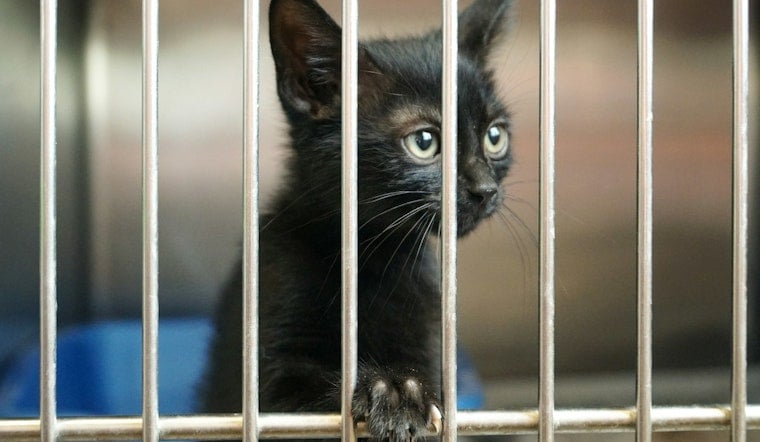
Chicago’s animal shelters are hitting their breaking point as kitten season barrels into summer, flooding the city-run facility and neighborhood rescues with more cats than they can reasonably house. Neonatal litters and nursing moms are showing up faster than staff and volunteers can move them into foster homes or adoption, triggering a daily scramble for space, vet care, and, increasingly, tough conversations at the front desk.
City shelter hit capacity this week
According to Block Club Chicago, Chicago Animal Care and Control hit its cat capacity during the week of June 22, with staff telling people they could not accept more cats that day. The outlet reported that as of Tuesday morning, the city shelter had more than 200 cats in its care. CACC spokesperson Armando Tejeda told reporters the facility has roughly 130 small-cat housing spaces if kennel connectors are closed, which leaves little wiggle room when kittens pour in all at once.
Those limits mean healthy outdoor cats and litters are often diverted to rescue partners or asked to return another day when intake spikes. For residents walking in with carriers and no backup plan, that is a brutal message to hear.
Rescues and clinics are stretched thin
Rescue groups across the city say they are dealing with the same crunch: more kittens, fewer open foster homes and a medical queue that never seems to shrink. PAWS Chicago describes how intensive neonatal care becomes during kitten season, and emphasizes how spay and neuter services plus robust foster networks are key to preventing these seasonal surges.
Those programs, along with PAWS Chicago’s 360@CACC partnership that transfers animals out of the city shelter, are playing a central role in easing immediate strain on cages and on the veterinarians trying to keep up with incoming litters.
Officials point to rising intake and budget strains
City leaders say this flood of animals is part of a years-long increase in shelter intake, driven in part by economic stress on pet owners. CACC leadership and Mayor Brandon Johnson have noted that thousands more animals entered the system between 2023 and 2025, even as adoption numbers also went up.
As NBC Chicago reported, the mayor defended his appointment of a permanent CACC director while announcing a roughly $700,000 increase to the shelter’s 2026 budget. Officials say that will help, but that transfers, adoptions and steady community support still have to keep pace with the rush of cats coming through the doors.
Adoptions, fee waivers and community strain
In an effort to clear space quickly, the city shelter and its partners have rolled out fee-waived adoption events and pop-up clinics. One cat adoption event with waived fees was scheduled for Saturday from noon to 4 p.m. at the CACC intake center on Western Avenue.
Neighbors who arrived hoping to surrender cats described long waits and staff asking them to come back another day, a refrain that has become common enough to feel like policy. One resident summed it up this way: “anybody with cats has to come back another day.” Those on-the-ground accounts and event details were reported by Block Club Chicago.
How residents can help right now
Shelters say the fastest way to relieve pressure is simple: foster or adopt, particularly pairs of kittens that can keep each other company, and support low-cost spay and neuter clinics so next year’s kitten wave is not quite so intense.
PAWS Chicago offers foster signups and clinic appointments, and the Friends of CACC share volunteer shifts and donation needs for the Western Avenue intake center. For Chicagoans frustrated by full kennels and “come back tomorrow” notices, it is one concrete way to turn a chaotic kitten season into something a little more manageable.





