

























































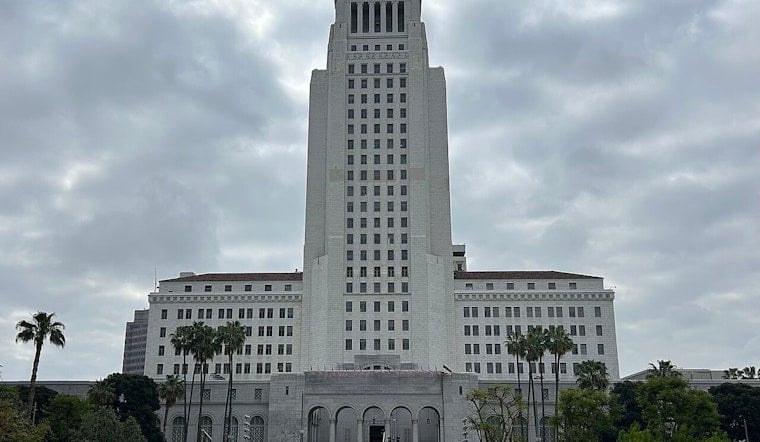
On Tuesday, Los Angeles leaders took another swing at phasing out urban oil drilling, directing the city attorney to craft an ordinance that would block new wells and gradually close existing operations over a 20-year period. The move follows years of neighborhood complaints about noise, truck traffic, odors, and potential health risks around active drilling sites. City officials say the push is aimed squarely at environmental justice for communities that have long carried the health and quality-of-life costs of oil extraction.
At a news conference led by Councilmember Katy Yaroslavsky and Council President Marqueece Harris-Dawson, advocates waved signs and pressed for quick action. Yaroslavsky said there are "thousands of active oil wells" across Los Angeles, some "tucked behind walls," according to CBS Los Angeles. Council staff have already put the item on the council docket and asked the City Attorney to prepare draft language, a procedural move that kicks off the formal drafting and hearing process. Supporters are casting the effort as a long-overdue attempt to ease environmental burdens concentrated in Black, Latino, and low-income neighborhoods.
What the draft ordinance would do
The City Planning Department's draft ordinance, prepared under the authority of AB 3233, would prohibit new oil and gas extraction, declare existing drilling and related activities to be nonconforming uses in every zoning category, and require that operations cease within 20 years while allowing narrowly defined maintenance and health-and-safety exceptions, as outlined by Los Angeles City Planning. The proposal would also treat a well as terminated if it remains idled for a full year and it sets out standards for plugging and decommissioning during the wind-down period. The ordinance text specifically exempts wells that are operated by a public utility regulated by the California Public Utilities Commission.
Why state law matters
State lawmakers approved AB 3233 in 2024 to make it clear that cities and counties can limit or ban oil and gas operations within their borders, and Gov. Gavin Newsom signed the bill to give local governments firmer legal footing, according to the Governor’s Office. Supporters say AB 3233 was written in part to blunt earlier court rulings that had blocked local drilling bans and to speed up the plugging of idle wells. That state law change is the legal backbone Los Angeles is leaning on as it assembles a replacement ordinance.
Industry pushback and legal risks
The oil industry has not exactly been shy about fighting local rules, and a prior Los Angeles ordinance adopted in 2022 was later rescinded following court action, as detailed by Los Angeles City Planning. Industry representatives argue that a patchwork of local regulations could tangle the state's fuel system; the Western States Petroleum Association told reporters that "policies impacting the entire state's fuel supply should be implemented through a coordinated, systemwide approach, not piecemeal local regulations," as reported by CBS Los Angeles. City leaders counter that AB 3233 reduces at least some of the legal risk, though they acknowledge that lawsuits from operators remain very much on the table.
Next steps
The council's directive sets a formal process into motion. The City Attorney is expected to draft the ordinance language, the Department of City Planning will conduct the required environmental review, and the proposal will then cycle back through committee and the full council for public hearings and votes. The City Clerk's action history shows that the Planning and Land Use Management Committee sent the file to the Energy & Environment Committee on June 9, 2026, a procedural handoff that keeps the measure moving through the legislative pipeline, according to the City Clerk.
Legal implications
Even with AB 3233 in place, city officials are bracing for legal tests. The law was crafted to counter earlier court decisions that struck down local ordinances, but operators and trade groups can still challenge new restrictions on other legal grounds, according to the Governor’s Office. City staff say the forthcoming draft will include detailed requirements for cessation, plugging, and monitoring that are meant both to protect frontline communities during the transition and to hold up under judicial scrutiny.





.jpg)