

























































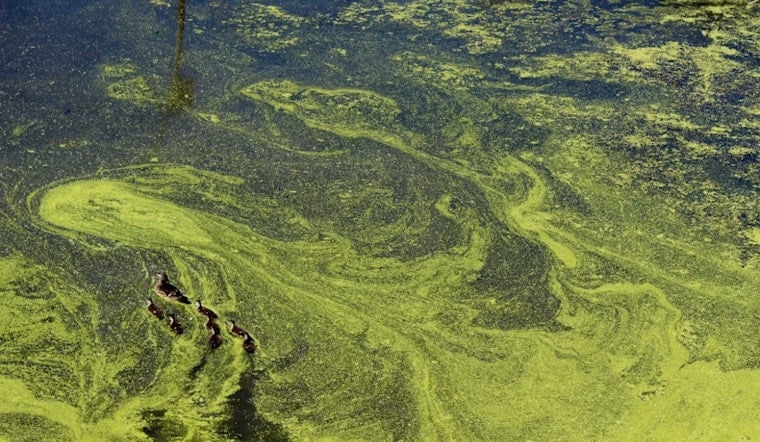
On Lake Erie this spring, the story at the docks is almost too good, while the story in the water is a lot more complicated. Charter boats are busy, walleye numbers look strong, and smallmouth bass are keeping nearshore anglers happy. At the same time, scientists are tracking harmful algal blooms and invasive species that keep tugging the lake away from full recovery. Yellow perch declines in parts of the eastern basin underline that split: solid fishing for some species alongside warning signs in the broader ecosystem.
Local coverage has captured that mixed reality, with healthy walleye counts and a bustling charter scene reported alongside renewed concern about algae and invasive species, according to The Columbus Dispatch. A more detailed scientific snapshot is coming when federal forecasters release NOAA’s seasonal harmful algae forecast on June 25, according to NOAA’s National Centers for Coastal Ocean Science. Managers use that bulletin to decide where to concentrate sampling, beach advisories, and public safety messaging.
Algae: Size, Season, and What to Watch
Last summer’s harmful algal bloom was still big enough to get everyone’s attention. Michigan’s Lake Erie Domestic Action Plan reports that the maximum bloom in late August 2025 spread across about 400 square miles of the lake. Those thick Microcystis mats can close beaches, make pets sick, and complicate fish surveys, according to the Michigan report. Because bloom severity is driven largely by how much phosphorus washes in during spring and how the weather behaves, managers say this year’s June forecast will be watched closely.
Invasive Species Are Remaking the Food Web
Lake Erie’s fish community also reflects a roster of nonnative arrivals that is starting to look uncomfortably familiar: common carp, sea lampreys, white perch, spiny water fleas, and round gobies are among the species listed by regional databases and federal researchers. These invaders are not just extra names on a checklist, they are reshaping who eats what in the lake. Mussels and other bottom dwellers change how nutrients and plankton move through the system, while gobies and white perch alter prey options for young perch and other native fish. That makes some recoveries harder to pull off, even when water quality improves. Managers increasingly point to a tangle of drivers, including nutrients, invasive species, and contaminants, rather than a single culprit.
Anglers and Businesses See a Split Season
On the business side, things look pretty rosy. Charter captains report steady bookings, and trip logs and booking platforms show demand for Lake Erie outings remains high this spring. Recreational and agency assessments indicate that portions of the walleye population are in good shape, and Ohio has introduced plans to bring back sauger and expand sturgeon efforts, per the Ohio Department of Natural Resources. The result is a sort of practical tension: excellent short-term fishing and strong charter income on one hand, and long-term restoration work on the other.
Health Advisory: Eat the Catch With Care
Public health officials are still telling anglers to enjoy the fish, but not to overdo it. Local reporting notes that state officials advise limiting consumption to about one 4 to 6-ounce portion of fish from Ohio waters per week, according to The Columbus Dispatch. The statewide sport fish advisory generally defaults to a one meal per week guideline for many species because of mercury, PCBs, and other contaminants, per the Ohio EPA. Those contaminant warnings sit alongside bloom risks: when cyanobacteria concentrate during a harmful algal event, both fish and surface water can become unsafe for people and pets.
Where Managers Want to Focus
NOAA scientists and their partners plan to walk through forecast models and implications at a June 25 webinar cohosted with Ohio Sea Grant, according to NOAA’s National Centers for Coastal Ocean Science. State agencies say that cutting spring phosphorus loads remains the most effective lever they can pull in the near term. They are also ramping up targeted monitoring for cyanotoxins, chemical contaminants, and invasive species hotspots, with the goal of getting clearer and faster information to anglers and drinking water managers. The next few weeks of forecasts and river load data will help determine how the rest of the season plays out for both recreation and restoration.
For now, Lake Erie is serving up memorable days for anglers and strong business for charters, while quietly reminding everyone that good seasons at the pier do not erase deeper problems. Whether these short-term wins turn into long-term recovery will depend on sustained nutrient controls, ongoing invasive species work, and continued close monitoring as the summer unfolds.





