

























































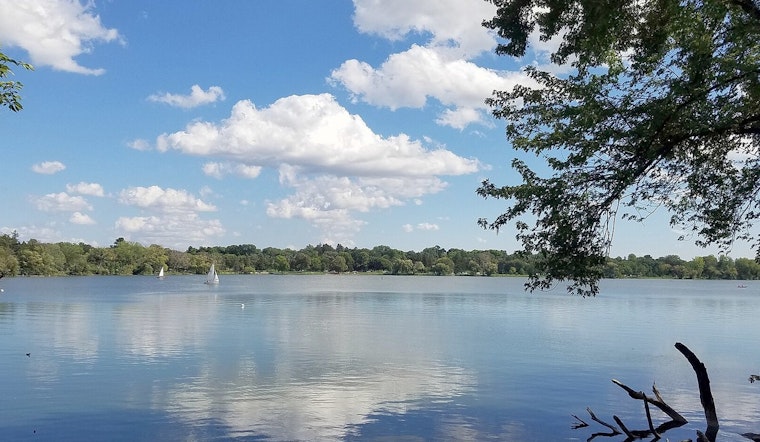
More than 100 dead fish have turned up along the western shore of Lake Nokomis this week, and park officials say it likely is not over yet. The carcasses were first spotted near the boat-launch area, where crews moved in to rope off short stretches of shoreline while they document the scene and haul the remains away.
The Minneapolis Park and Recreation Board says it is working with the Minnesota Department of Natural Resources after several species were found along the west side of the lake. Officials told reporters they are collecting samples and that a bacterial outbreak is one possible culprit. Crews also cautioned that as wind and waves shift the shoreline, more dead fish could roll in, according to KARE 11.
What is likely behind the die-off?
State specialists say many fish kills in lakes and ponds can be traced to disease or drops in dissolved oxygen. Those problems often get worse when temperatures swing quickly or when runoff changes water conditions. Natural causes such as disease and low oxygen are among the most common drivers of these events, and rapid shifts in weather or water quality can tip a stressed system over the edge, according to the Minnesota Pollution Control Agency.
Columnaris and how it spreads
Local lake managers say one strong candidate is a bacterial infection known as columnaris, which can trigger fast, large-scale kills when conditions change. Columnaris, caused by the bacterium Flavobacterium columnare, is commonly present in freshwater. Outbreaks typically flare up when rising water temperatures, spawning stress or runoff weaken fish immune systems, according to the Lake Ripley Management District.
Health and safety for people and pets
Fish-health experts say columnaris is primarily a fish pathogen and is not known to infect people. Even so, officials urge basic caution around dead or obviously sick fish. Do not eat fish that are dead, decomposing or appear ill. If you have to move a carcass, use gloves, avoid contact with open cuts and wash hands and any tools or surfaces afterward. Local Minnesota DNR pages offer fish-consumption guidance and contact details for anglers who have questions about their catch, according to the Minnesota DNR.
What officials will do next
Park and state fisheries crews plan to log the species affected and estimate numbers, keep specimens for lab testing if needed and scan the area for signs of runoff or other environmental triggers before reaching any final conclusions. The Minnesota Pollution Control Agency says it coordinates fish kill responses with the DNR, Department of Agriculture and local partners, and that quick reporting is key so investigators can preserve evidence. Anyone who spots a large number of dead fish is urged to call the Minnesota Duty Officer at 800-422-0798, according to the Minnesota Pollution Control Agency.


