

























































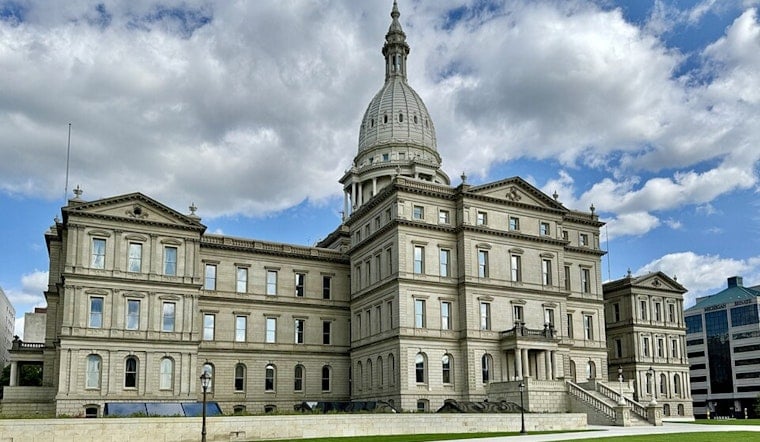
At the Michigan Capitol, a new proposal is kicking up a high-stakes fight over how much parents should be allowed to see in their children’s medical files. Supporters say the change would help moms and dads better advocate for their kids. Critics warn it could blow a hole in teen confidentiality and scare young people away from care for sexual health, substance use and some mental health needs. Lawmakers this month heard emotional testimony on both sides as the plan moved into the House Health Policy Committee.
Who Is Behind The Bill And What It Would Do
House Bill 5974, introduced by Rep. Joe Aragona, would amend Michigan’s Medical Records Access Act to widen when parents and guardians can see a minor’s medical records, according to the bill text. As outlined by LegiScan, the measure directs providers to turn over records to parents or guardians unless another specific confidentiality protection in state law applies.
Local outlets have reported that the bill drew a vocal mix of backers, who insist parents deserve full information to guide treatment, and opponents, who argue it would chip away at long-standing protections for certain kinds of adolescent care. For background on the hearing and the clashing views, see coverage by Bridge Michigan and regional station News 10/WILX.
Which Types Of Care Are Already Confidential
Michigan law and federal rules already let minors consent to some services on their own, without a parent in the exam room. That can include certain reproductive health services, sexually transmitted infection testing, emergency substance use treatment and, in limited situations, outpatient mental health counseling for patients 14 and older.
A state summary of minor consent and privacy rules spells out which services a young person can seek independently and how, or whether, that information can be shared with parents. A detailed rundown of those statutory carve-outs is available from The Network for Public Health Law.
How Hospitals And Portals Handle Teen Privacy Now
Hospitals and health systems already juggle these rules in real time, especially through online patient portals where parents often want one-stop access to family records. Practices vary, but some of Michigan’s biggest providers limit what parents can see once a child hits early adolescence.
University of Michigan Health’s portal guidance, for example, says parents generally have full proxy access to records for children under 13, then only limited portal access for patients ages 13 to 18, in line with state and federal privacy requirements. Michigan Medicine lays out its proxy policy and what information is available to parents in each age bracket.
Clinicians Say The Change Could Chill Care
Adolescent health providers warn that if teens think every detail of a visit will land in a parent’s inbox, many simply will not show up. That, they argue, is not a theoretical problem but a day-to-day reality in clinics that serve young people in crisis.
"An unfathomable violation of core health care privacy and protection," is how Alex Plum, chief executive of the Corner Health Center, described the proposal in comments reported to Bridge Michigan. Clinicians say those protections can be the only thing that allows survivors of abuse or teens with sexual health concerns to seek help without triggering immediate danger or retaliation at home.
Legal And Operational Headaches For Hospitals
Hospital trade groups have told lawmakers the bill could collide head-on with existing state statutes and federal HIPAA rules. In a committee memo, the Michigan Health & Hospital Association warned that requiring essentially unfettered parental access could put hospitals in a precarious position because federal and state law already shield certain minor-consented care from disclosure.
The group’s written concerns are spelled out in its testimony on the House committee document portal, available through the Michigan House site as the MHA filing.
Where Michigan Fits In A National Trend
The Lansing debate is unfolding as several states around the country have moved in recent years to narrow adolescents’ access to confidential services or to tighten parental access to records. A national review of state actions published in April highlighted a wave of legislative proposals and policy changes in multiple states.
For a broader look at that legal landscape, see the recent review in JAMA Health Forum.
What Happens Next
HB 5974 remains parked in the House Health Policy Committee while lawmakers, hospital groups and other stakeholders look for clarifications and potential tweaks. Sponsor Rep. Aragona has told committee members he is open to feedback from doctors’ associations as the bill is refined, according to the public hearing record and media reporting.
LegiScan lists the bill’s current status and text for those who want to track amendments or committee action in real time.
For parents and providers, the fight boils down to a familiar tension: one side argues that broad parental access can be crucial when a child is sick and needs an adult to step in fast, while clinicians and privacy advocates warn that if confidential doors to care are slammed shut, some young people may have nowhere safe to turn when they need help most.





