

























































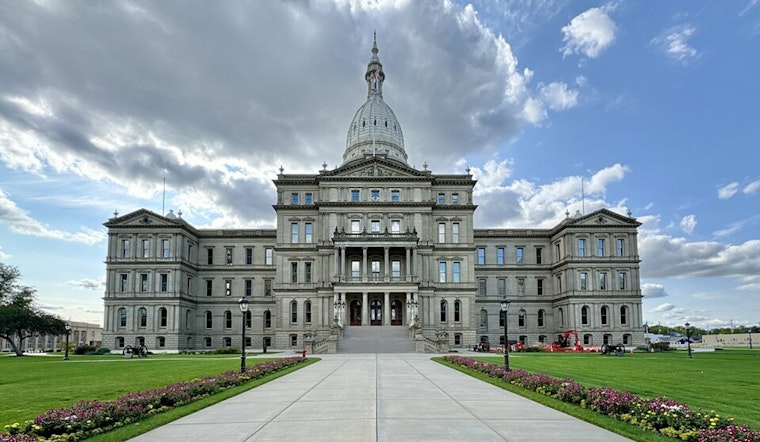
While Michigan’s Capitol registered one of its quietest stretches of lawmaking in modern memory, a steady stream of state lawmakers were packing suitcases for lobbyist-paid travel from New Orleans to the Turks and Caicos.
New reporting shows that in 2025 and early 2026, legislators accepted dozens of trips funded by outside groups even as the Legislature turned out a historically small number of new laws. The split-screen of tropical getaways and a sluggish policy agenda is now fueling louder demands for tougher ethics rules in Lansing.
Today's analysis found that at least 24 lawmakers, roughly one in six in the Capitol, had airfare or hotel stays covered by businesses or nonprofit organizations. Those trips included conferences in New Orleans and beach getaways in the Turks and Caicos, according to The Detroit News.
The travel headlines land as Lansing’s legislative output slows to a crawl. As reported by Bridge Michigan, lawmakers finalized just seven bills in the first three months of 2026, and 2025 ended with only 76 signed laws, the fewest since the 1840s. Observers point to partisan gridlock and a looming campaign season as key reasons for the slowdown.
Where the trips went and who picked up the tab
The analysis from The Detroit News found that many of the excursions were arranged by industry groups, trade associations, and nonprofit hosts that covered travel and hotel bills for lawmakers and, in some cases, their guests.
Critics say that kind of sponsored travel can create the appearance of influence buying, especially when the public has limited visibility into what is discussed on those trips or who is doing the lobbying, according to The Detroit News.
Why watchdogs are sounding the alarm
Transparency advocates argue that Michigan’s current disclosure system leaves significant blind spots around who funds lawmakers’ travel and how those relationships intersect with public policy. Reporting from Bridge Michigan notes that legislators have resisted expanding public-records requirements, a stance that watchdogs say makes these latest revelations especially timely as campaign season ramps up.
Ethics advocates contend that without stricter rules, voters are left to wonder whether beachfront briefings and out-of-state conferences come with expectations attached, even when everything technically complies with existing law.
What lawmakers say and what comes next
Legislative leaders counter that the story is not just about how many bills get passed, but what is in them. "Quality matters more than quantity," House Speaker Matt Hall told Bridge Michigan, defending both the Legislature’s pace and the occasional travel that comes with networking and policy briefings.
Lawmakers also argue that some travel is educational, designed to help them learn from experts or other states, and that it can be part of constituent outreach. Ethics advocates respond that those goals are not necessarily at odds with tightening disclosure rules or setting clearer boundaries on lobbyist involvement.
The fight over sponsored trips is unlikely to stay confined to Lansing. Expect the issue to trail lawmakers back to their districts this summer, where voters will have their own opinions about sun-soaked conferences during a slow legislative year. Reformers are poised to push the topic in committee hearings and campaign speeches, pointing to analysis from The Detroit News and reporting from Bridge Michigan as a detailed look at how often outside groups underwrote lawmakers’ travel, and why that matters for both state policy and public trust.





