

























































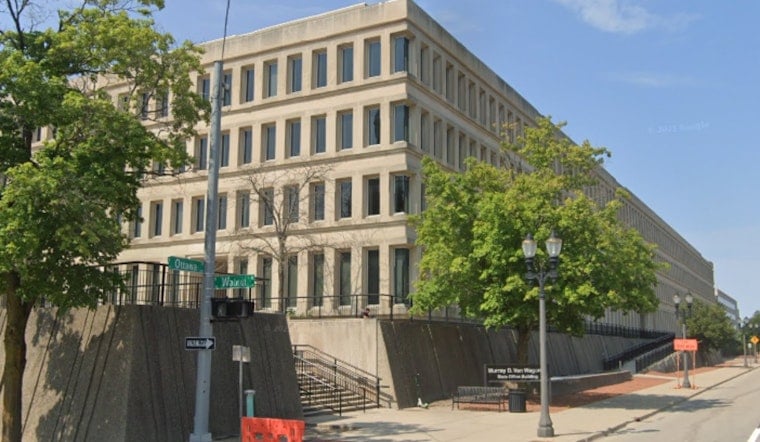
Stephanie Chatfield, wife of former Michigan House Speaker Lee Chatfield, has admitted in court that she stole from a political nonprofit tied to her husband’s orbit, a move that quietly nudges a sprawling corruption probe one step closer to the former Republican leader himself.
On Tuesday, in Ingham County’s 30th Circuit Court, Chatfield pleaded guilty to a single felony count of embezzlement from a nonprofit. Under a plea and sentencing agreement, she will serve a term of probation set by the judge, and the remaining charges against her will be dismissed if she successfully completes that probation. Prosecutors say the money came from the Peninsula Fund, a political 501(c)(4) that is now defunct, which they note makes any restitution highly unlikely. Her plea is the latest development in a wide-ranging investigation into alleged misuse of nonprofit and campaign cash linked to the former speaker.
In a press release from the Michigan Attorney General's office, prosecutors said Chatfield acknowledged taking between $200 and $1,000 from the Peninsula Fund as part of the deal and will serve probation as determined by the court. "Non-profits and 501(c)(4) organizations are meant to support the public welfare and wellbeing, they’re not a personal slush fund for the politically connected," Attorney General Dana Nessel said in the statement. The office notes that Chatfield is scheduled for sentencing on July 20, 2026, in the 30th Circuit Court.
Charges Against Lee Chatfield
The case against her husband is far bigger. In April 2024, prosecutors charged Lee Chatfield with 13 felonies, including conducting a criminal enterprise and multiple embezzlement counts. As outlined by the Associated Press, investigators allege he used nonprofit and campaign accounts to cover personal spending and improper reimbursements. According to prosecutors, the Peninsula Fund and related political committees were tapped to pay personal credit card bills, travel and housing costs. Chatfield has pleaded not guilty, and his case is still pending.
Pleas From Aides And Co-Defendants
Two of the former speaker’s closest political allies have already cut deals. Rob and Anne Minard earlier pleaded guilty and were sentenced in December 2025 after agreeing to testify against Chatfield, according to prosecutors. Reporting from ClickOnDetroit notes that the Minards were accused of collecting roughly $525,000 between 2018 and 2020 through schemes connected to the same fundraising and political operations. Their cooperation gives the state witnesses who could be central when the former speaker goes to trial.
Legal Outlook And Next Steps
Under Stephanie Chatfield’s plea, prosecutors get to resolve their case against her with a probation-centered outcome while keeping her testimony and other evidence available for the broader prosecution, according to the Michigan Attorney General's office. Bridge Michigan reports that Lee Chatfield is still scheduled for trial in September 2026 and that his attorney insists Stephanie’s plea deal "has no impact" on his defense. For now, the state’s criminal case rolls on as prosecutors prepare for the former speaker’s trial and for Stephanie Chatfield’s July 20, 2026 sentencing.
Why The Case Matters
This investigation has thrown fresh light on the murky world of so-called dark money nonprofits and the weak spots in Michigan’s campaign finance disclosure laws. Prosecutors and local journalists have pointed to the Chatfield probe as a case study in how political spending can be hidden behind nonprofit structures that do not have to name their donors. Coverage and analysis from outlets such as the Michigan Advance have highlighted growing calls for tougher disclosure rules as lawmakers and watchdogs weigh possible reforms. The July sentencing and the September trial are shaping up as key tests of how well the state’s case holds up once it is fully aired in court.



