

























































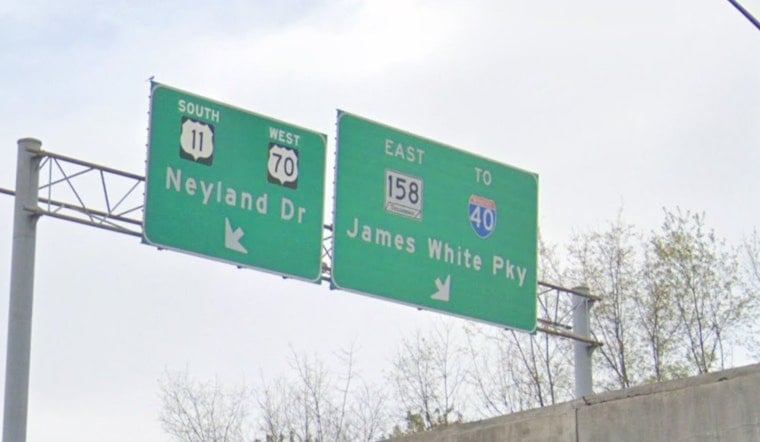
Larsen Jay is pitching a sweeping new vision for downtown Knoxville’s roads, and it is not subtle. On Tuesday, he unveiled KnoxConnect, a privately drawn concept that would sink key stretches of Neyland Drive and James White Parkway, cover them with parks and retail, and push through-traffic onto a redesigned express corridor. Supporters argue the idea could ease congestion, improve safety, and reunite neighborhoods that were split apart by mid‑century highway projects.
As reported by the Knoxville News Sentinel, the KnoxConnect concept ranges from green caps over James White Parkway and Neyland Drive to turning underused underpasses into welcoming pedestrian corridors, and even contemplates an elevated expressway for I‑40 to keep regional traffic moving. Jay’s team developed the plan with Design Innovation Architects in 2025 and explicitly looked to deck‑park precedents such as Klyde Warren Park in Dallas and Pittsburgh’s Frankie Pace cap park over I‑579. According to Jay’s camp, the concept was drawn up without public dollars and is designed to lure private investment while securing phased public approvals over time.
Jay's Big, Bold Pitch
"If we're going to lead in innovation and nuclear, if we're going to lead in innovation and business ... we also have to lead in transportation," Larsen Jay told the Knoxville News Sentinel. The at‑large Knox County commissioner and current mayoral candidate is framing KnoxConnect as the kind of big‑swing infrastructure idea that could reset how downtown grows, a theme he has leaned on in his campaign coverage. Backers say the blend of parks and development would not just add green space, it could literally bridge over old highway cuts and help stitch back communities that have been divided for generations.
Funding and Feasibility
Knoxville has seen versions of this movie before. Concept plans to cap highways and reconnect neighborhoods are not new: KCDC's "Reconnecting Knoxville" has long floated similar ideas to span James White Parkway and restore easier access to downtown amenities. Turning KnoxConnect from glossy renderings into actual steel and concrete would still require detailed engineering, traffic modeling, state and federal permits, and long‑term funding commitments, hurdles the city has already been studying through recent greenway connector and traffic work, according to the City of Knoxville. Supporters argue that a phased approach that pairs private capital with public approvals could make the vision achievable over many years, rather than all at once.
What's Next
For now, KnoxConnect is a conversation starter, not a shovel‑ready project with money attached. Jay and his allies say the next step is to take the concept to neighborhoods, property owners, and transportation agencies, and to test how the traffic shifts would play out during and after construction. Expect plenty of debate over the details, including how much new civic space should be privately operated compared with publicly managed. Whether KnoxConnect ultimately turns into policy or stays a bold sketch on paper, it has already shoved the long‑running question of how to mend Knoxville’s highway scars back into the center of the city’s infrastructure debate.





