

























































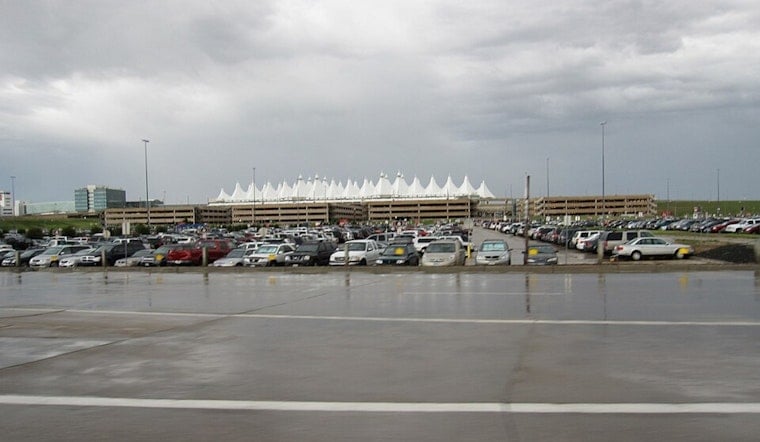
Thunderstorms marching across Colorado's eastern plains on Sunday threw Denver International Airport into disarray, knocking the schedule off track and turning a routine afternoon into an hours-long headache. Air-traffic controllers slowed arrivals and held departures as lightning and gusty outflow winds moved through the airport corridor, leaving planes stuck on the ground and travelers stuck in limbo. Long lines formed at rebooking counters, gates grew crowded, and airlines scrambled to reshuffle aircraft and crews while officials warned the fallout could linger as the weather system pushed east.
By the time the storms moved on, flight-tracking tallies showed nearly 400 flights delayed and several canceled out of Denver. FlightAware data used in reporting put the total at about 396 delays and seven cancellations, with roughly 210 delayed departures and 186 delayed arrivals, according to The Denver Post.
The Federal Aviation Administration issued a weather-based departure delay for Denver as the storms crossed the eastern plains, and noted delays could grow while the cells held together. On the FAA's real-time airport-status page, Denver showed general departure and arrival holds of about 15 minutes or less in the latest update, reflecting gate-hold and taxi delays at the airport, according to the FAA.
Airlines Hit Hardest
Flight-tracking data pointed to United and Southwest as two of the carriers taking the biggest hit. The Denver Post's look at FlightAware numbers put United at about 137 delayed flights, Southwest at about 152, SkyWest at about 61, Frontier at roughly 16, and American at about 12; United also logged several of the cancellations, the reporting said. That combination of delayed rotations and canceled trips added churn to an already busy hub and left some travelers rerouted, rebooked, or stuck waiting for overnight options.
Why a Short Storm Can Create Long Delays
Because DIA is a major connecting hub, even a relatively brief ground delay or reduced arrival rate can ripple through airline schedules across the country. FlightAware's live airport page showed departure holds of roughly 16 to 30 minutes, and increasing, during the storm window, illustrating how short-lived cells can trigger extended operational pauses. When ramp work and aircraft turnarounds are paused for safety, airlines often have to reshuffle crews and equipment, which can lead to cancellations that linger for hours after the storms themselves are gone.
What Travelers Should Do
Passengers with flights in or out of DIA are advised to check their airline app and the FAA airport-status page before heading to the terminal and to build in extra time for parking and security. Airlines typically handle rebooking for affected travelers and may offer refunds or hotel options depending on their policies, so flyers should contact their carrier directly for details. The FAA notes that its airport-status information is not flight-specific, so the final word on timing will always come from the airline.





.jpg)