

























































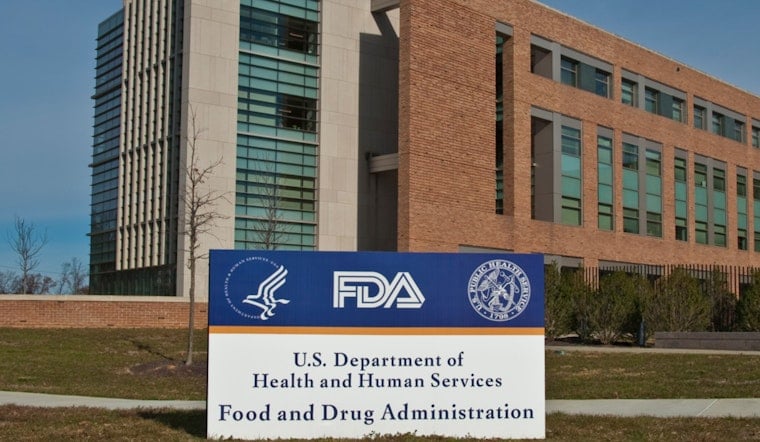
The FDA on Monday quietly handed out golden tickets to several drugmakers, including Eli Lilly and Regeneron, by tapping them for its new PreCheck pilot. The program is designed to speed regulatory review of newly built U.S. pharmaceutical manufacturing sites, letting companies and regulators troubleshoot early instead of arguing late in the process. The first cohort will work directly with the agency during facility design, construction and pre‑operational reviews so that quality or compliance problems surface before a plant ever flips the “on” switch. Federal officials see it as a key move in a broader effort to rebuild domestic drug production and cut the wait for new plants to start supplying medicines in the U.S.
As reported by CNBC, the inaugural PreCheck class features Eli Lilly, Regeneron, Amneal, Cellares, FUJIFILM Biotechnologies, Kriya Therapeutics and Kyowa Kirin. According to the outlet, an FDA spokesperson confirmed the line‑up, and the agency has sketched out what each new facility will focus on and where many of the sites will sit on the map.
FDA PreCheck is a two‑phase pilot with a Facility Readiness phase and an Application Submission phase. In plain terms, it offers select manufacturers earlier, hands‑on technical feedback and a chance to iron out manufacturing questions before a product application formally lands on the agency’s desk. According to the FDA, finalists were notified in April, selections wrapped up by June 30 and pre‑operational engagement was set to begin July 1.
Inside Lilly and Regeneron’s Factory Gambit
Eli Lilly has been bulking up its Lebanon, Indiana campus, and says the complex there will include active pharmaceutical ingredient production along with new facilities to support both oral and injectable GLP‑1 medicines as part of a multibillion‑dollar domestic buildout. Lilly casts the Lebanon projects as central to its U.S. manufacturing strategy, effectively treating the site as a backbone for future supply.
Regeneron, for its part, has snapped up more than 1 million square feet in Saratoga Springs and previously announced roughly a $2 billion investment to expand bulk biologics capacity and production support. State officials say the project is expected to create about 1,000 jobs. Regeneron and state briefings describe the upstate New York plan as a major expansion of the company’s U.S. footprint, the kind of bet that local economic development agencies dream about.
Other Winners and What They Will Make
The rest of the cohort is a mix of big names and niche specialists. Cellares runs an automated IDMO “Smart Factory” in Bridgewater, New Jersey, for cell‑based therapies. Kriya Therapeutics operates an AAV gene‑therapy manufacturing hub in Research Triangle Park, North Carolina. FUJIFILM Biotechnologies has built a large cell‑culture biologics campus in Holly Springs. Japanese specialty player Kyowa Kirin is moving ahead with a Sanford, North Carolina biologics plant focused on rare‑disease therapies. Amneal, which already operates sterile‑injectable and other manufacturing sites in New York and New Jersey, is also on the list and brings existing sterile‑liquid capabilities to the group, according to company filings and coverage.
Why It Matters for Drug Supply and Local Jobs
The FDA says PreCheck is meant to cut regulatory uncertainty and boost domestic manufacturing capacity by getting industry and regulators aligned earlier in the life of a facility. CNBC reported that the agency estimates the pilot could shave as much as 14 months off some company timelines, which is not a trivial number when the medicines involved are in high demand.
For the communities hosting these sites, the impact is less abstract: long‑term manufacturing jobs, business for local suppliers and years of construction work tied to these big‑ticket projects. Companies and state officials have leaned heavily on those economic promises as they secure land, subsidies and workforce pipelines for new plants.
Next steps for the pilot are fairly straightforward. Participants are expected to begin pre‑operational engagement with the FDA in July. The agency stresses that the program is voluntary and does not guarantee product approvals; the goal is to make reviews and timelines more predictable for new U.S. manufacturing capacity. The first cohort will effectively test whether earlier regulator‑industry alignment can really shorten the path from groundbreaking to commercial supply, or just make the waiting a bit more organized.





.jpg)