

























































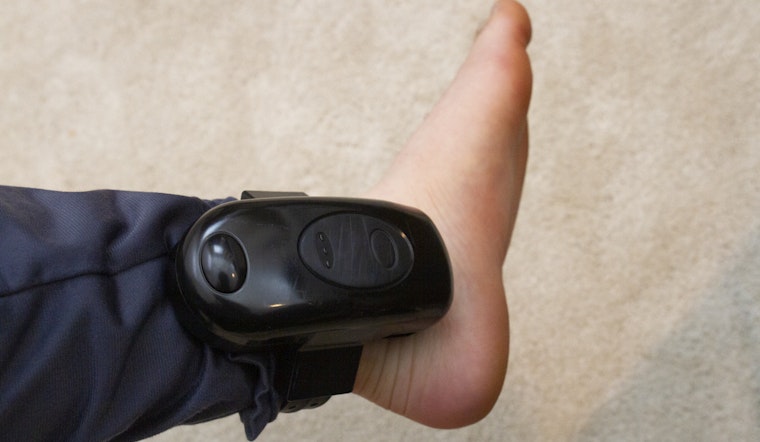
Louisiana lawmakers in Baton Rouge, facing mounting frustration over violent incidents tied to people already wearing ankle monitors, have moved to create a statewide task force to figure out whether GPS ankle monitors and other electronic supervision tools are actually keeping anyone safe. The new panel is set to pull together judges, prosecutors, sheriffs, monitoring companies and technology experts to examine how these devices are ordered, monitored, reported and enforced across the state. Supporters say the goal is to come back with real fixes lawmakers can vote on before the next legislative session, not another report that sits on a shelf. The move follows several high-profile cases in which defendants on monitoring were linked to violent incidents or reportedly removed their devices.
What the task force will study
According to the Louisiana Legislature, House Concurrent Resolution 99 creates the Louisiana Electronic Monitoring and GPS Oversight Task Force and spells out who serves on it, how often it must meet and when it has to report back. The resolution requires quarterly meetings and gives the panel one year to deliver a written report to lawmakers. It directs members to review how GPS ankle monitoring is used statewide, how violations such as tampering and low batteries are reported, what responsibilities providers have and what investigative steps are taken when monitoring fails. The membership list includes legislators and representatives from prosecutors' offices, the Department of Public Safety and Corrections, sheriff and police associations, victim advocates and technology experts.
Local provider pushed for oversight
Jill Dennis, who runs ASAP Ankle Monitoring in New Orleans, said she worked with lawmakers this session to develop the task force idea and told FOX 8 she is "excited to see what comes out of it," calling transparency and oversight her top priorities. FOX 8 reported that legislators advanced the resolution and that it still needs formal sign-off from the Secretary of State. Dennis said the task force builds on recent work this session to give judges clearer options when offenders tamper with or remove monitoring devices.
Bills passed this session
The task force effort fits alongside a slate of bills this spring aimed at tightening rules for monitoring providers and clarifying how violations are enforced. Lawmakers considered measures on provider registration, limits on ownership and rules about fees and device-related penalties. A public bill tracker from the Power Coalition for Equity and Justice lists items such as HB955, which deals with provider registration, and HB968, which focuses on monitoring costs, among the proposals lawmakers took up. Supporters say the overall package is designed to create guardrails for private monitoring firms and give courts clear remedies when monitoring breaks down.
Prosecutors press for accountability
Baton Rouge District Attorney Hillar Moore has been turning up the heat on monitoring companies, filing bond-revocation motions and warning that he may pursue criminal charges against providers that fail to report violations promptly, according to reporting by WAFB. Moore told WAFB he has seen an increase in violations and said prosecutors will hold companies to the law if failures are documented. His actions have added pressure for statewide standards and clearer lines of responsibility over who is supposed to do what when a monitor goes silent.
Timeline and deliverables
HCR 99 requires the task force to meet at least once every quarter, hold its first meeting within 60 days of adoption and deliver a written report to the Legislature no later than one year after it is adopted, according to the Louisiana Legislature. That schedule is designed to leave lawmakers enough time to draft and pass statutory changes before the next session if the panel recommends them. The task force is authorized to solicit testimony from courts, law enforcement, providers, victim advocates and technical experts, so the hearings are likely to surface some pointed questions about who dropped the ball in past cases.
Legal knock-on effects
FOX 8 notes that other legislation from this session could give judges new options in dealing with people on monitors. One bill advanced this year could require a court appearance for adults on court-ordered monitoring who fail to pay monitoring fees, if the governor signs it. Backers argue those rules would make monitoring conditions more enforceable. Critics warn they could also create additional penalties that send people back into custody simply because they cannot afford the fees.
Victims and advocates want answers
Victims' families and advocates have been pointing to painful cases as evidence that the current system is not working. One of the most cited is the shooting that left University of New Orleans student Noah Hansard paralyzed, an incident in which a suspect reportedly removed his ankle monitor, according to reporting by WDSU. Supporters of the new task force say it offers a centralized place to sort through conflicting accounts from law enforcement, prosecutors, monitoring providers and victims, and to turn those conversations into concrete policy recommendations ahead of the 2027 session.





