

























































Macon is going all in on live entertainment, rolling out splashy new renderings for a proposed arena that would replace the aging Macon Coliseum and anchor a multi‑block redevelopment along Interstate 16. City leaders are pitching the venue as a 10,000‑plus‑seat, mid‑market workhorse designed to keep concerts, tournaments and other big draws in Middle Georgia instead of watching them skip town for larger cities. The scale of the design and financing makes it one of the most ambitious public projects the region has seen in years.
The plan calls for a four‑tiered, red‑brick arena of more than 230,000 square feet, with space for two ice rinks, auxiliary courts and expanded parking, according to The Atlanta Journal‑Constitution. Renderings show an oval, overhanging rooftop meant to resemble a vinyl record, a not‑so‑subtle nod to Macon’s deep musical roots. Designers say the building is expected to host concerts, high‑school championships and other events, and to serve as the new home of the Macon Mayhem hockey team. City officials are talking up a summer 2028 opening, the paper reports.
“We’re gonna flex,” Mayor Lester Miller told the crowd at the unveiling, calling the arena “something spectacular” and a public statement that Macon intends to compete for regional entertainment dollars, per The Atlanta Journal‑Constitution. Officials described the building as the centerpiece of more than $1 billion in public and private investment near the I‑16 interchange, including a planned Mercer University medical‑school complex, new hotels and a convention center, and said Georgia DOT’s highway upgrades should make it easier for crowds to get in and out of the area.
How the city plans to pay for it
At a recent meeting, the Macon‑Bibb County Commission signed off on letting the Urban Development Authority issue taxable revenue bonds to bankroll the arena, with authorization for up to $350 million in borrowing, according to GatherGov. The county had already brought on MFA Program Management to steer planning and delivery of the project, as reported by The Macon Newsroom. Officials note that key steps such as final design selection, contractor procurement and detailed bond documents still have to be completed before construction financing is locked in.
What the new building will replace
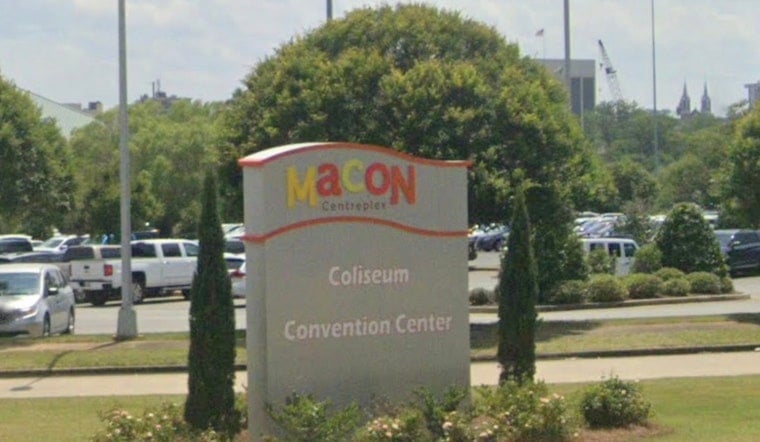
The new arena would rise next to the Macon Centreplex Coliseum, the city’s longtime events workhorse that opened in 1968 and has hosted generations of touring acts and regional sports, according to Macon Coliseum (Wikipedia). County leaders say the Coliseum will stay in operation while the new venue is built next door, and local coverage frames the construction as a bid to modernize Macon’s event infrastructure for decades to come (The Telegraph).
Traffic and access
Supporters are tying the arena proposal to the multi‑phase overhaul of the I‑16/I‑75 interchange, arguing that the corridor is being rebuilt to handle bigger crowds and more frequent events. Georgia DOT materials describe the interchange work, which includes new ramps, wider lanes and bridge improvements, as a multi‑hundred‑million dollar push to improve safety and smooth traffic flow in and around the future arena district (Georgia DOT).
What's next
With renderings in hand and preliminary financing approvals granted, county leaders still have to wrap up schematic design, secure construction bids and close the bond sale before any ground is broken. Local reporting notes that Macon‑Bibb has been mapping out funding tools, including SPLOST allocations and bond mechanisms, for more than a year as the arena works its way through the approval and review pipeline (The Macon Newsroom).
Legal and financing
The county’s financing strategy hinges on taxable revenue bonds issued through the Urban Development Authority, a setup that typically leans on future revenue streams and local funding decisions to pay off debt, according to local government reporting. That means the project’s ultimate price tag and schedule will be influenced by bond market conditions, the fine print of the final bond documents and any future voter decisions tied to sales‑tax proceeds or other revenue sources (GatherGov).





