

























































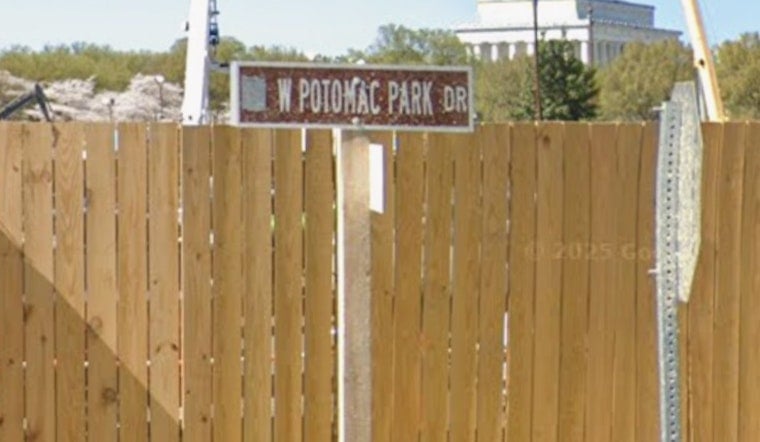
A coalition of preservation groups has gone to federal court to stop President Trump’s proposed National Garden of American Heroes from taking root in West Potomac Park, arguing that the project is barreling ahead on shaky legal and environmental ground. Their lawsuit, filed Monday, asks a judge to halt any construction, landscaping or earth-moving at the site while the courts sort out whether the plan complies with long-standing rules for building monuments on the National Mall.
The complaint, as detailed by the Washington Business Journal, says the administration rushed to lock in a location for a 250-statue garden along the Potomac and in the process ran afoul of multiple federal laws. The plaintiffs are seeking declaratory relief and an injunction that would prevent any part of the West Potomac Park plan from moving forward. They also emphasize that the proposed garden footprint sits amid historically sensitive portions of the park that, in their view, are not meant to absorb a project of this scale.
Legal theory: commissions, Congress and preservation law
The lawsuit leans heavily on the Commemorative Works Act and related preservation statutes, arguing that much of West Potomac Park lies in a restricted reserve where new memorials typically require congressional authorization and a detailed, multiagency review. As The Washington Post has noted, that status could make any garden construction dependent on approval from Congress and on sign-offs from federal planning bodies. National Park Service guidance on commemorative works, along with other federal regulations, lays out a specific approval path that the plaintiffs say was sidestepped, and those statutory and procedural requirements are cited throughout the filing.
A pattern of legal challenges
This case is arriving in an already crowded legal landscape around the Mall. Earlier this month, the Cultural Landscape Foundation sued the Department of the Interior over changes to the Reflecting Pool, and local organizations have filed separate actions to stop debris dumping and rapid alterations at East Potomac Park and other nearby areas. Litigation trackers show preservation and conservation groups repeatedly invoking the National Environmental Policy Act and the National Historic Preservation Act in these matters as they push for fuller environmental study, more rigorous historic review and greater public input on recent federal projects.
What happens next
The immediate question is whether the plaintiffs can convince a judge that the garden poses an imminent, irreparable harm to West Potomac Park. If they do, the court could issue a preliminary injunction that pauses any work while the lawsuit moves forward. If they fall short, the case would proceed through the usual federal-court process of motions, briefing and discovery. Reviews by the Commission of Fine Arts and the National Capital Planning Commission are built into the statutory process for new commemorative works, yet the plaintiffs argue those steps were rushed or curtailed here. The White House and the Department of the Interior did not immediately comment on the suit, according to previous coverage by national outlets following the garden proposal and related legal disputes.
Why it matters for the Mall
West Potomac Park is a key part of the broader commemorative landscape of the National Mall, a stretch that already includes established memorials and carefully designed parkland that preservation groups say carry legal as well as cultural protections. The Washington Business Journal has reported that the riverside area in question contains long-standing memorials and landscape features that could be altered or overshadowed by the garden’s footprint. For nearby residents and visitors, the case raises a larger question: how much of the Mall’s open space can be repurposed for new, large-scale monuments without explicit approval from Congress and robust public debate.
Legal implications
On the legal front, the dispute centers on where and how federal law allows memorials to be placed, whether the environmental review under NEPA was sufficient, and if the consultation requirements of the National Historic Preservation Act were followed. Should the court find that the administration skirted mandatory procedures, judges would have broad authority to halt work and order agencies to complete the missing analyses and consultations before construction can begin. Observers note that the outcome could shape how strictly courts enforce historic-preservation and environmental rules in some of the Mall’s most tightly protected areas, setting the tone for future projects that test the limits of Washington’s commemorative core.



