

























































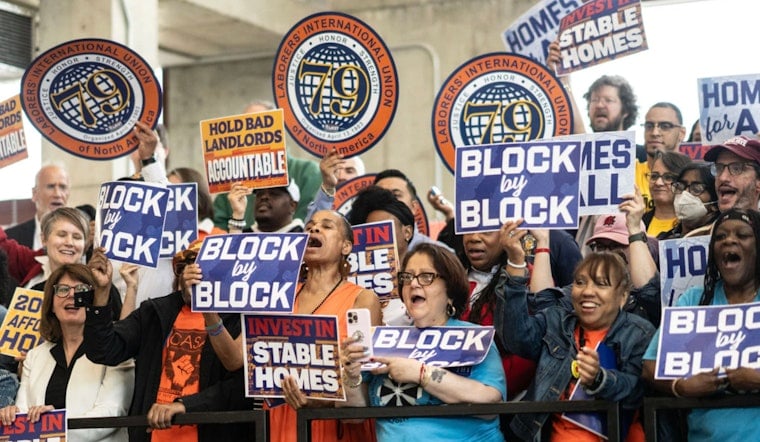
Mayor Zohran Mamdani is promising to build his way out of New York’s housing crunch with a sweeping new Block by Block plan that aims to create 200,000 new affordable homes and preserve another 200,000. It is an aggressive, numbers-heavy pledge that leans hard on zoning tools inherited from the earlier City of Yes push to open up more homes near transit. Yet one of the costliest ingredients in any new building, parking, mostly gets left on the cutting-room floor.
Big goals, familiar tools
Unveiling the plan at Powerhouse Arts in Gowanus, Mamdani cast Block by Block as a citywide housing moonshot: 400,000 affordable homes produced or preserved, backed by billions in public capital and a promise to cut red tape on approvals. As outlined by the NYC Mayor’s Office, the blueprint mixes direct investment in affordable projects with targeted rezonings, expanded transit-oriented development and a major capital commitment over the next five years.
In other words, Block by Block does not rip up the old playbook so much as it tries to run the City of Yes game plan harder and faster.
Plan leans on City of Yes but skirts parking
The proposal explicitly leans on familiar City of Yes zoning tools, including extending the “qualifying residential sites” framework that allows added density for certain lots near transit. Where it mostly pulls its punches is on parking. Streetsblog NYC notes that the 111-page plan mentions parking minimums only once and largely talks about reusing existing surface lots, rather than scrapping the mandates that many builders say make projects too expensive to pencil out.
In a city where curb space can spark a block-long feud, leaving parking mandates mostly untouched is not a small omission.
Why parking still matters to builders
For developers, parking rules are not a technical side note, they are often the line between a viable building and a dead spreadsheet. The Department of City Planning has pegged the average cost of a single underground parking space at about $67,500, according to its published estimates in recent housing guidance. That kind of price tag can reshape an entire building before a shovel ever hits the ground.
Housing analysts say mandatory parking frequently nudges builders to scale back projects so they do not trigger large and costly parking requirements, which in turn limits how many homes ultimately get built, according to the Regional Plan Association. Fewer units, same land costs and a pricey garage is not exactly the formula affordability advocates are hoping for.
Politics will decide whether it goes further
Any serious move to relax parking rules or juice density still has to make it through the City Council. Streetsblog NYC points out that the Council already trimmed back the original City of Yes package in late 2024, carving R1 and R2 single-family districts out of the plan, a reminder that big swings on parking run into political guardrails fast.
Planners quoted in that coverage say Block by Block could provide an opening to revisit those carve-outs and push further on parking, but turning that opening into a citywide policy shift will require months of Department of City Planning rule making and hard bargaining with the Council.
City officials say DCP will roll out additional transit-oriented development proposals and neighborhood plans this summer, with the administration planning to hammer out details alongside the Council and advocacy groups, as described by the NYC Mayor’s Office. Those negotiations and votes will decide whether Block by Block is essentially a rebranded City of Yes or the moment New York finally treats parking as a barrier to, rather than a prerequisite for, dense housing near transit.





