

























































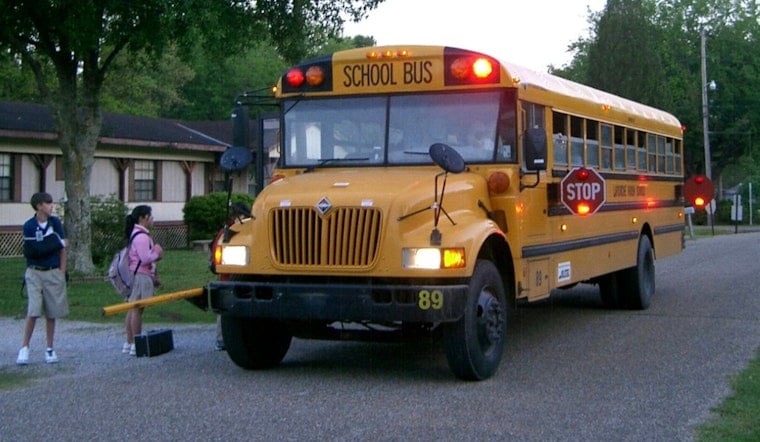
Mayor Zohran Mamdani’s administration has quietly hit pause on New York City’s long-discussed school bus stop‑arm camera program, pulling a key request for proposals on Wednesday and putting automated ticketing for drivers who blow past stopped buses on hold. The reversal follows a recent pilot that churned out a hefty stack of citations and lands in the middle of an ongoing fight over how far the city should go with camera enforcement to protect students.
According to the New York Daily News, the now-withdrawn RFP would have led to a contract to equip roughly 250 school buses, building on earlier testing across several dozen of the roughly 950 buses operated by the city-contracted nonprofit NYCSBus. A two-month pilot on about 40 buses generated roughly 3,400 tickets, the paper reported, while city data over the past nine years show about 50 reported pedestrian injuries tied to stop‑arm violations and no recent fatalities. All of this is playing out against the backdrop of a yellow-bus system that roughly 145,000 students rely on to get to and from school every day.
"The Mamdani administration is committed to protecting children and their families as they travel to and from school," DOT spokesman Vincent Barone told the New York Daily News. His statement accompanied the Department of Transportation’s decision to yank the procurement while officials sift through the pilot data and weigh their next move.
Testing and a slow rollout
The push to put cameras on school bus stop‑arms has been years in the works, coming after City Council legislation and state-level changes cleared a legal path for automated enforcement. Advocacy groups and transportation reporters have tracked a series of pilots and a stop‑and‑start rollout, with delays piling up even as other places charged ahead with similar systems.
As Streetsblog detailed, the city focused first on data-collection pilots and held off on flipping the switch on a fully active program while officials wrestled with political concerns and technical details.
Why supporters and critics are split
Supporters argue that cameras mounted on buses can sharply reduce illegal passings and nudge drivers into better behavior, pointing to industry reports that show violations dropping when programs are kept in place over time. They frame the technology as a relatively simple way to guard the so‑called “rolling school zone” around each bus.
Critics and watchdogs, including some local attorneys, have focused less on the safety pitch and more on the fine print: how private vendors are overseen, how transparent the programs are, and where the money and appeals process ultimately land. Those concerns have surfaced in public records disputes and coverage of other county-level programs. For industry context on violation trends and safety claims, see School Bus Fleet, and for a look at transparency fights over contract details, see reporting on FOIL challenges in Rockland County at RCBJ.
What comes next
With the RFP now off the table, the timeline for any broader rollout is murky, and families who depend on school buses will be watching closely to see whether this is a brief pit stop or a longer detour. The existing City Council legislation and the original local law still provide the overall framework for any future program, and officials will have to work within that structure if they choose to restart the process.
For now, the next chapter will play out in paperwork and hearings: updated DOT procurement documents, City Council materials, and related press releases will signal whether the administration decides to revive the plan as‑is, tweak it, or steer in a different direction altogether.





.jpg)