

























































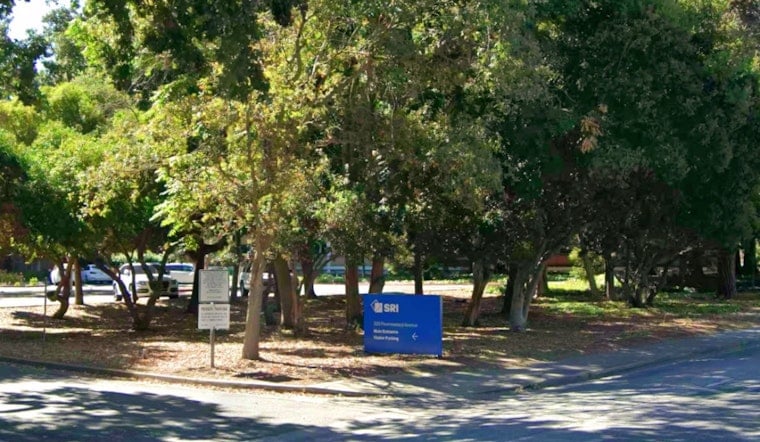
After decades as a quiet hub of innovation, SRI International’s Menlo Park campus is on track to trade lab coats for lawn chairs. Developer Lane Partners has reworked its Parkline proposal to pack in more housing and scale back research space, turning the roughly 64-acre site into a dense, walkable neighborhood that would stitch together the blocks between Ravenswood and Middlefield with new homes, shops and open space.
Revised plan boosts housing and retires the research campus
According to The Almanac, Lane Partners’ revised application, filed in May, assumes SRI will relocate off the property and pushes the housing tally from 800 to 1,082 units. The plan keeps 754 for-rent multifamily units from earlier iterations and layers in 108 townhouses and 220 single-family homes, while maintaining a 15% below-market-rate share across all housing types.
The filing also leans into vertical office space, calling for taller commercial buildings of up to 10 stories and about 150 feet. It outlines roughly 1,800 shared parking spaces and nearly 27 acres of landscaped open space, with more than 13 acres promised as publicly accessible parkland.
What city files say is on the table
The City of Menlo Park has had the Parkline master plan and Final Environmental Impact Report available for months, along with council-approved caps on total square footage and the review framework for the site. City documents spell out key components such as a 1.6-acre land dedication reserved for an affordable housing developer, plus the environmental analysis and narrative that support the project.
Those same materials confirm that the redevelopment footprint stretches across multiple parcels between Ravenswood and Middlefield, all of which are now wrapped into Lane Partners’ amended application.
Retail, parks and the density trade-off
As laid out by Lane Partners, Parkline would come with a service-focused retail village of more than 40,000 square feet, multiuse paths and bike upgrades, along with the removal of the existing campus cogeneration plant.
The developer casts the design as a deliberate trade-off: denser, taller office buildings concentrated toward the center of the site in exchange for broader stretches of public parks and recreation areas, plus stronger pedestrian and transit connections. Lane Partners says those features, combined with the 15% affordability set-aside, are meant to anchor the project’s promised community benefits while substantially increasing the local housing supply.
What happens next
The Almanac reports that Lane Partners’ Parkline lead is hoping the city can review and approve the updated plans within about 12 months, with demolition targeted to begin before the end of 2027. The firm has framed the reworked proposal as a financing-conscious adjustment to recent market shifts, pointing to the pause on Meta’s Willow Village project as context.
From here, city staff will line up public hearings and post the refreshed application materials, giving neighbors, housing advocates and local commissioners their chance to dissect what could be one of Menlo Park’s biggest transformations in years.





