

























































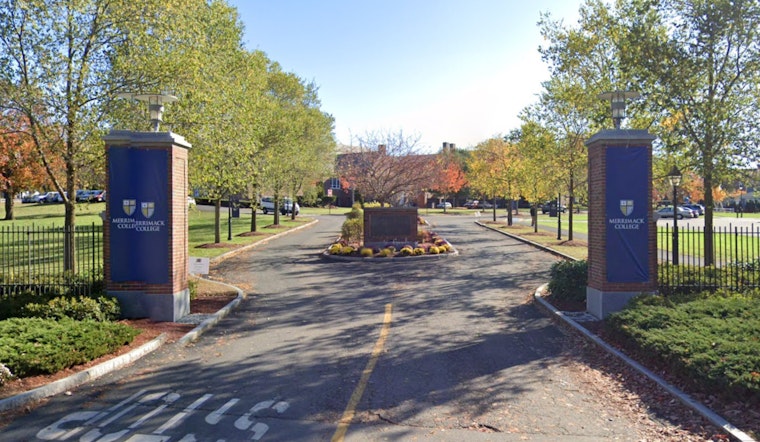
Two Massachusetts colleges are asking state officials for permission to let undergraduates earn a bachelor’s degree in three years with fewer credits, potentially shaving both time and cost off the standard four-year path. Merrimack College in North Andover is seeking approval for 96-credit tracks in psychology, communication, criminal justice and business administration, while Suffolk University in Boston has applied for a 94-credit pilot in healthcare administration and innovation. The filings opened for public comment on May 29 and close June 19, with the Board of Higher Education scheduled to review the proposals in late June.
The moves follow a February decision by state higher-education leaders to set up a tightly regulated pathway for sub-120-credit pilot programs that would allow shortened bachelor’s degrees if colleges can show strong student protections and learning outcomes, according to the Massachusetts Department of Higher Education. Under that rule, applicants must spell out how a pilot advances student success or addresses workforce needs and must build in evaluation plans that the Board will review before any broader rollout.
How Merrimack Frames Its Three-Year Model
Merrimack has been out in front of the College-in-3 discussion, and campus planners ultimately settled on a roughly 96-credit structure that keeps the college’s general-education core while trimming back open electives, according to Merrimack College. College leaders have told supporters that the design leans heavily on experiential learning and structured, hands-on coursework so students can leave with marketable skills without paying for a fourth year. Accreditor and trade coverage indicate that regional accreditors and national observers shifted in 2024 to permit reduced-credit pilots, clearing a key hurdle for Merrimack’s planning.
Suffolk’s Approach Focuses On Internships And Employer Ties
Suffolk is channeling its shorter-degree idea through the university’s PILOT office, a campus hub that coordinates interdisciplinary program innovation and industry partnerships, according to Suffolk University. The university describes pilots as testbeds that are judged by student interest and employment outcomes, and says the design work emphasizes on-the-job learning. That existing infrastructure is what Suffolk plans to lean on if the Board signs off on the 94-credit healthcare administration and innovation pilot.
Public Comment, Costs And Consumer Warnings
The formal proposals are open for public comment from May 29 through June 19 and will go before the Board later this month, MassLive reports. Merrimack’s documents estimate that a student completing a shortened degree would pay roughly 70–80% of the cost of a comparable 124-credit program, and Suffolk’s filing would make a healthcare internship mandatory while still preserving a small free elective each year. Both colleges build in consumer-protection language: students would be warned that some graduate programs may not accept reduced-credit degrees, and the filings note that those who later opt into an extra fourth year may lose eligibility for certain federal grant aid.
Questions Ahead For The Board And Students
Shortened degrees have drawn both enthusiasm and hesitation. Supporters highlight lower costs and faster entry into the workforce, while faculty and other observers caution that cutting elective space could narrow students’ learning paths, coverage by Boston 25 News and national outlets has shown. The Board will have to sort through those tradeoffs as it decides whether each pilot offers adequate safeguards, clearly defined outcomes and an evaluation plan that protects students if the programs are expanded or ultimately brought to a close.


