

























































After two violent incidents at houses of worship in the Detroit area, congregations across Metro Detroit are quietly rewriting what safety looks like on sacred ground. Yesterday, a free emergency training session pulled clergy, ushers, and volunteers into the same room for hands-on practice in de-escalation and clear, step-by-step instructions for the tense minutes before police arrive. Organizers say the idea is simple: give people a checklist they can actually remember when everything goes sideways.
Police Offer Free Emergency Training
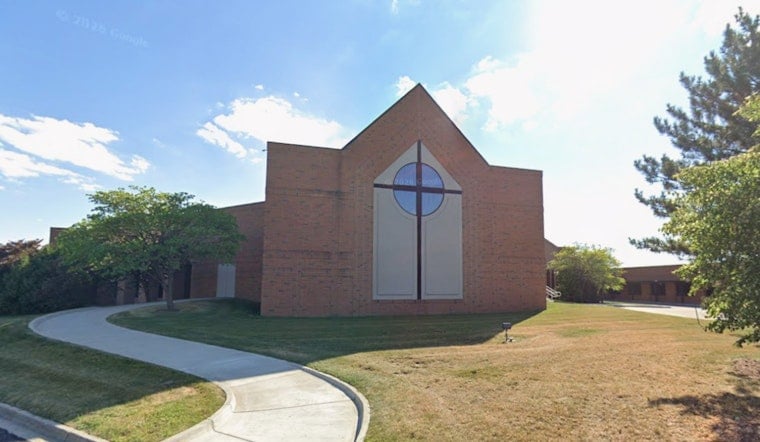
According to ClickOnDetroit, Northville Township police led a session last night at Ward Church, centering on how to spot a situation turning volatile and what to do next. Attendees were guided through de-escalation tactics, basic crowd management, and short, repeatable checklists meant to carry them through the crucial window before officers get to the scene. Township officials say the same program is offered to places of worship, schools, and community groups as part of routine outreach, and organizers describe it as a practical add-on to whatever security plans congregations already have in place.
Recent Attacks Spark Concerns
The rush to train is rooted in recent trauma. In September 2025, a gunman in Grand Blanc drove a vehicle through the front doors of a meetinghouse, then opened fire and set the building on fire, killing four people and wounding eight, AP News reported. Then in March 2026, a man rammed a vehicle into Temple Israel in West Bloomfield and opened fire; federal officials later said they were treating it as a targeted assault, CBS News Detroit reported.
Simulator Drills and Scenario Work
Part of the Northville training dropped participants into a simulator called MILO, which recreates tense encounters on a screen and forces quick decisions. “The MILO system provides a controlled, immersive environment to work on communication, de-escalation, and decision-making skills,” Ward Church director of safety Mark Adams told ClickOnDetroit. The Northville Township police department has used MILO in prior trainings, according to Northville Township. Organizers say running through realistic scenarios helps volunteers understand their roles and reduces the risk of freezing during a real emergency.
How Congregations Are Responding
Faith leaders say the shift is from hoping for the best to rehearsing for the worst. As reported by Hoodline, local coverage has highlighted memorials, community healing efforts, and growing conversations about safety after last fall’s Grand Blanc attack, including a project that turned heartbreak into a town full of painted stars and reporting from Bridge Michigan. In the meantime, more congregations are standing up safety teams, running tabletop drills, and syncing up roles and expectations with local police as they update emergency plans.
Police and safety directors involved in the training describe the goal as straightforward: give volunteers and staff a plan, practice it regularly, and keep communication lines open with first responders. They point out that free sessions like the one in Northville make this kind of preparation possible for smaller congregations that cannot afford private security. The Northville Township police website lists preparedness materials and contact information for community trainings for any congregation looking to take that next step.





