

























































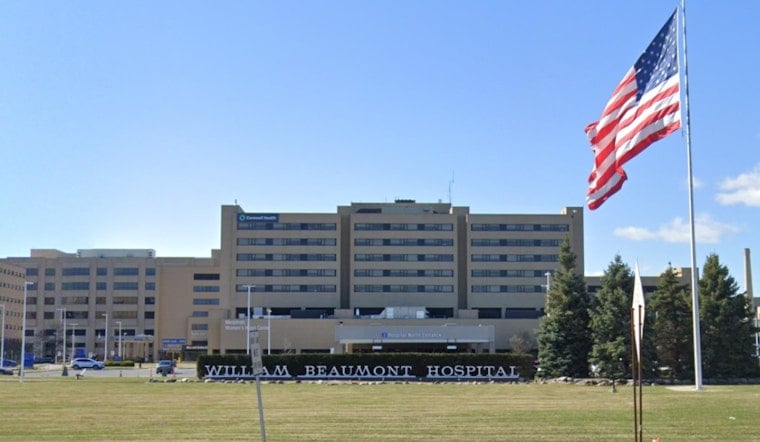
Corewell Health and a Delaware debt collector are staring down a federal class-action that accuses them of chasing patients for millions of dollars in medical bills that plaintiffs say were already covered by insurers or government programs. The complaint centers on people treated at Corewell facilities who, according to the filing, saw insurance payments and contractual write-offs on their accounts, then still got hit with bills and collection notices. Plaintiffs say the tactic shoved accounts into collections and left families digging through paperwork to claw back refunds.
How the suit describes the scheme
Reporting from Law360 says the complaint, filed in late May in federal court, names Corewell Health and DCM Services LLC and seeks to represent a statewide class of patients. Plaintiffs allege that Corewell hospitals accepted negotiated payments from insurers, then turned around and billed patients for what they call remaining balances, with some of those accounts sent to collections.
The lead filing was brought by Michelle Rzanca as personal representative for the estate of Jordan Field, who received emergency care at Corewell’s Butterworth Hospital in Grand Rapids, the complaint states. According to court exhibits described in reporting, Corewell billed more than $61,600, recorded a contractual adjustment of about $19,448.92 for insurance, and still pursued a $42,160.70 balance, details reported by Michigan Advance.
What the complaint calls balance billing
Plaintiffs describe the conduct as a systematic form of “balance billing,” saying Corewell submitted claims to insurers, accepted reduced payments under negotiated contracts or public programs, and then billed patients for the leftover amounts anyway. The complaint accuses Corewell and DCM of fraud and of violating Michigan debt-collection and consumer-protection laws. The case appears on public dockets as Rzanca et al v. Corewell Health, case no. 2:26-cv-11692, with Pacermonitor listing the complaint and filing details.
Corewell's public materials and billing contacts
Corewell’s website notes that the system operates 21 hospital facilities and hundreds of outpatient sites across Michigan and provides patient-billing contacts and resources. Corewell Health also publishes financial services and patient-relations phone lines. Plaintiffs say documents attached to the complaint show insurers had already paid portions of some accounts that were later sent to collections.
Legal and policy context
The lawsuit lands at the same time lawmakers and advocates in Lansing have pushed bills this year aimed at curbing aggressive medical-debt collections and tightening rules around financial assistance and reporting. Michigan Advance has reported on a recent bipartisan effort to cap interest, limit liens, and require clearer hospital assistance policies, a backdrop that plaintiffs’ attorneys cite in urging the court to take broad action.
What’s next in court
The case is still in its early stages. Plaintiffs have filed their complaint, and the defendants will have a chance to respond or ask the court to toss part or all of the suit. Local coverage and court listings, including a write-up from Deadline Detroit, note that the complaint was filed in late May and that upcoming discovery and class-certification battles will determine whether the claims extend to a wider group of patients. Deadline Detroit and public dockets indicate the case remains active.
Attorneys and consumer advocates advise anyone who believes they were wrongly billed to hold on to every statement, explanation-of-benefits notice, and collection letter. Those are the types of documents that form the core exhibits in the complaint. If the court allows class discovery, the lawsuit could scrutinize billing practices across dozens of Corewell facilities and potentially affect many Michigan patients.



