

























































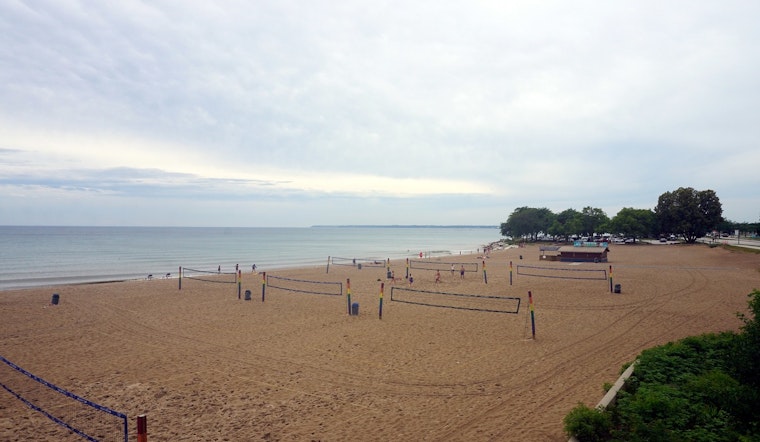
Milwaukee's 2026 lakefront swim season is off to a mostly clean start, with just one trouble spot that was quickly sidelined. Only a single Milwaukee-area beach crossed the Wisconsin Department of Natural Resources closure threshold as opening tests came in, and that brief hiccup was resolved on retest. Big Bay Park Beach in Whitefish Bay posted a high result in late May and was temporarily closed, while Bradford, McKinley and South Shore beaches, three of the city's marquee swimming spots, all tested comfortably below advisory levels in the most recent round of sampling. Local officials say this kind of short-lived spike early in the season is something they have seen before.
Big Bay Park: A Quick, Local Closure
The Village of Whitefish Bay reported on May 29 that water samples taken the previous day at Big Bay Park Beach showed 1,299.7 colony-forming units of E. coli per 100 milliliters, a reading high enough to trigger an automatic closure. According to the Village of Whitefish Bay, the North Shore Health Department immediately retested the beach and promised to update posted signs once new results were in. In the meantime, officials shifted signage and told would-be swimmers to stay out of the water until the follow-up tests came back.
How The DNR Decides Advisories And Closures
The Wisconsin Department of Natural Resources runs weekly monitoring at Great Lakes beaches and selected inland sites from Memorial Day through Labor Day, then posts the results for the public to see. Under Wisconsin Department of Natural Resources guidance, a single sample above 1,000 CFU of E. coli per 100 milliliters requires a closure. Smaller, but still elevated, counts typically lead to an advisory that signals higher risk without pulling everyone out of the water.
Most Local Beaches Are Testing Low
For Milwaukee's busiest beaches, recent numbers have been about as mellow as a weekday morning on the sand. Reporting in the Milwaukee Journal Sentinel shows the latest DNR tests at Bradford Beach came in at 62.7 CFU per 100 milliliters, South Shore Beach at 37.3 and McKinley Beach at 29.4, all well below advisory thresholds. According to the Milwaukee Journal Sentinel, aside from Big Bay's late May spike, the DNR "did not detect dangerous levels of E. coli or other bacteria" in its most recent round of testing.
Why Spikes Happen And What They Mean
Those sudden jumps in bacteria readings usually have a backstory. Public health experts say short-term spikes in indicator bacteria often follow heavy rain, shoreline runoff or other localized contamination, and they frequently settle back down once the water has a little time to clear. A statewide review of beach sampling found that many coastal beaches had at least one day with elevated E. coli, but that high readings were often brief. That pattern is a big reason why routine monitoring, not one-off tests, is what drives advisories and closures. For a broader look at the statewide picture, see coverage from Wisconsin Public Radio.
Check Before You Go
Before packing the cooler and hauling the chairs to the shore, health officials suggest a quick status check. The DNR's Wisconsin Beach Health map, available through the Wisconsin Department of Natural Resources, and the City's advisories page from the City of Milwaukee Health Department list current closures and advisories. On the sand, posted signs are your first and most important heads-up about conditions.
The City of Milwaukee Health Department also recommends trying not to swallow lake water and steering clear of the beach whenever advisories or closures are in effect. The DNR testing program will keep running through Labor Day, and local health departments say they will continue retesting and updating notices as new results come in. If you develop symptoms after swimming, such as severe diarrhea, fever, vomiting or persistent ear or eye irritation, public health officials advise contacting your healthcare provider and letting local health authorities know.





