

























































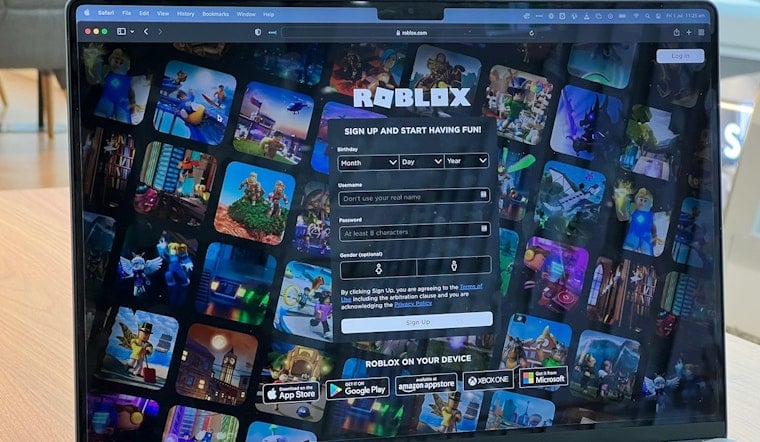
Harry and Leah Kaiser, whose daughter Lydia survived the Aug. 27, 2025 shooting at Annunciation Catholic Church and School in Minneapolis, are taking direct aim at Roblox after learning that a user-created experience allegedly let players simulate a school shooting modeled on Sandy Hook. The couple says the virtual re-creation is “deeply hurtful” and has brought in the American Center for Law and Justice to press the platform for answers. Their complaint folds a very local wound into a growing national backlash over safety on the kid-focused game creation site.
In a June 4 letter made public by the American Center for Law and Justice, the group announced it now represents the Kaisers and demanded that Roblox “affirm directly” that the shooting simulation was removed and spell out what guardrails it has put in place. The letter notes that Roblox “asserts it removed the game on February 6, 2026” and urges the company to show it has searched for and taken down similar content across the platform. ACLJ lawyers labeled the simulation “depraved and indefensible” and called on Roblox to cooperate fully with investigators.
Local reporting by MPR News places the Kaisers’ move in the context of months of advocacy by families and survivors after the Aug. 27 attack. According to MPR, Lydia has appeared at legislative hearings and public events to push for stronger protections for students, including a Feb. 24 press conference at the Minnesota State Capitol that the outlet photographed. The coverage underscores the family’s anguish over virtual recreations of real massacres and frames their demands as part of a broader push to hold tech platforms accountable for children’s safety online.
What Roblox Says and Platform Actions
Roblox has repeatedly said it removes content that violates its rules, including violent simulations, and that such takedowns are not new. After the February mass killing in Tumbler Ridge, British Columbia, the company told reporters it removed the account and content linked to that attack, according to coverage by PC Gamer. The Kaisers and their lawyers argue that simply pulling individual games is nowhere near enough; they want written confirmation, details of Roblox’s moderation searches and proof that loopholes allowing the experience to appear have been closed.
Regulatory And Legal Pressure
Regulators and law enforcement are now circling Roblox as well. Connecticut Attorney General William Tong has announced an active investigation and displayed a screenshot he says shows a Sandy Hook simulation on the platform, according to reporting by CT Mirror. At the same time, attorneys general in states including Oklahoma and Iowa have filed consumer-protection lawsuits alleging that Roblox misled parents and failed to protect minors, according to legal summaries on JDSupra.
What Parents Want And What Comes Next
The Kaisers are pushing for more than a one-off takedown. They want Roblox to certify in writing that the specific experience is gone, to outline how moderators and search tools will track down copycats, and to explain any new safety measures it will enforce, as reported by MPR News. Their legal team argues that these steps are critical to stopping the normalization of violence and giving other families confidence that similar recreations will not resurface. With investigations and lawsuits piling up, Roblox faces both legal risk and intense public pressure to show concrete, verifiable improvements to safety.
Legal Implications
Legal analysts say the mix of civil suits and state investigations could push Roblox toward broader safety reforms or settlements that alter how it moderates user-generated content, according to commentary on JDSupra. Consumer-protection actions typically seek injunctions and civil penalties, and investigators are probing whether Roblox’s public safety promises match its real-world practices. The outcome could help redefine what game platforms owe the public when they host user-created simulations of real-world violence.
For families in Minneapolis, the fight over a single game is inseparable from grief and the ongoing struggle to keep kids safe online. Roblox now has to convince victims’ families, state regulators and a wary public that it can keep such simulations from ever going live again.




