

























































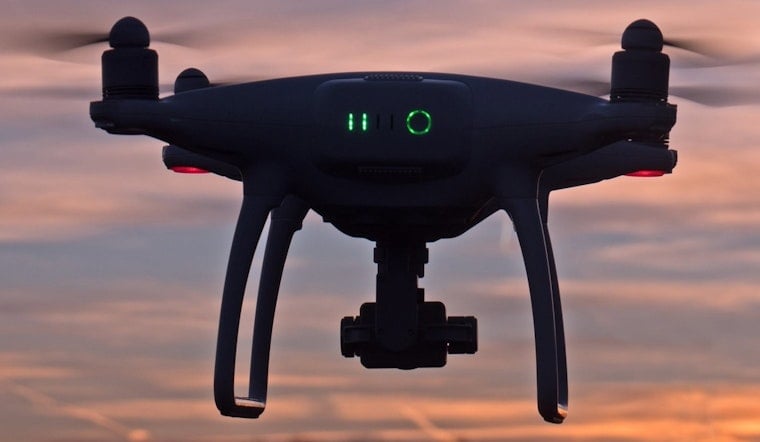
Minnesota police cannot quietly send drones into the air and move on. State law requires that every time officers deploy an unmanned aerial vehicle without a search warrant, the flight must be logged and later reported. On June 29, 2026, the state Bureau of Criminal Apprehension released its latest year-end compilation, spelling out how agencies relied on drones during 2025 so residents and lawmakers can see when and why officers took to the sky.
That obligation is spelled out in state law, which directs each agency to file by January 15 a yearly report listing how many warrantless UAV deployments it made, the date and statutory reason for every flight, and the total cost of its drone program, according to Minnesota Statute 626.19. The commissioner of public safety must then pull those local reports together and publish a statewide summary by June 15.
State Numbers Show Warrantless Flights Surging
The most recent statewide compilation currently available, the BCA report for calendar year 2024, shows a sharp jump in drone activity. In that filing, 119 law enforcement agencies reported a combined 6,603 UAV uses where a search warrant was not required, and programs collectively spent about 1.97 million dollars, according to the BCA's 2024 legislative report.
What The Law Lets Cops Do And Where It Draws The Line
The statute lists specific scenarios where officers can send up a drone without first getting a warrant, including emergency responses that involve a risk of death or serious bodily harm, searches for missing people, crash reconstruction, certain public safety or crowd safety operations, and limited investigations in public areas when there is reasonable suspicion, per Minnesota Statute 626.19. It also builds in guardrails by requiring agencies to document each deployment, tie flights to case numbers, and spell out which statutory exception they relied on. Most UAV data has to be deleted within seven days unless it becomes part of an active investigation, and the law bans arming drones and generally blocks biometric matching without a warrant, according to the same statute.
Why This Summer's Drone Report Drop Matters
On June 29, the Bureau of Criminal Apprehension highlighted the newest compilation in a Facebook post that links to the 2025 annual report, according to Bureau of Criminal Apprehension. The rollout follows a burst of 2025 legislative action in St. Paul that broadened some permitted uses of UAVs, with measures such as HF1396 kicking up debate in House committee hearings, according to Minnesota House of Representatives minutes.
Legal Stakes When Drone Evidence Is Challenged
The rules have real consequences. Information obtained in violation of the statute can be excluded from criminal, administrative, or civil proceedings, and the law preserves civil remedies for people who claim an agency misused UAVs, according to legal summaries of section 626.19. For readers who want to dig into the statewide totals and agency by agency breakdowns, the BCA reports are posted by the Department of Public Safety and archived by the Legislative Reference Library. Additional background and context appeared in a July 2025 Hoodline piece on how Minnesota law enforcement must disclose drone use.



