

























































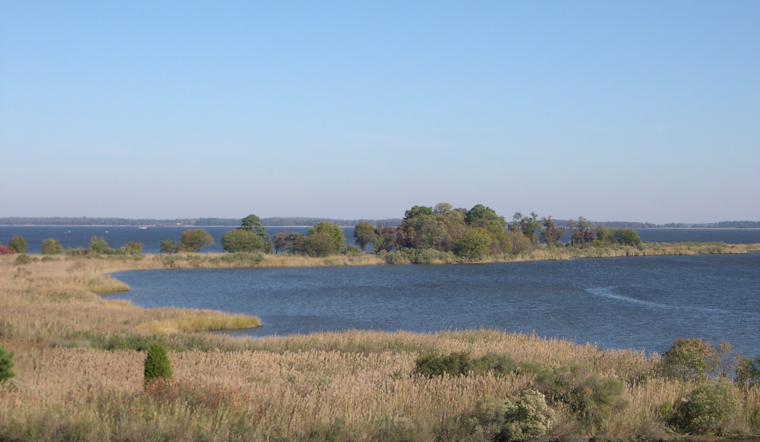
Maryland is gearing up for a major water cleanup, with Governor Wes Moore rolling out $31.5 million in state grants to restore ecosystems and cut pollution across the state. The funding will support 25 projects at 188 sites, covering everything from new urban trees and community rain gardens to stream, wetland, and living shoreline work. State officials say the mix of projects is designed to slow stormwater runoff, reduce nutrient pollution, and boost climate resilience in both neighborhoods and farm country.
In a press release via Maryland Department of Natural Resources, officials said the Fiscal Year 2027 grants come from the Chesapeake and Atlantic Coastal Bays Trust Fund and were picked through the department’s online Grants Gateway for their expected water quality gains and community benefits. According to the department, the projects will reach 16 counties plus Baltimore City, and each one is supposed to be outcome-focused, with specific grant amounts for individual projects to be posted once contracts are signed.
“The Chesapeake Bay is the centerpiece of our tourism and seafood industries in Maryland,” Gov. Wes Moore said in a statement via the Office of Governor Wes Moore. He cast the plan as part of a broader push to safeguard fishing and recreation, strengthen habitats, and keep the state on track to meet its watershed commitments.
What the grants will pay for
DNR’s project list calls for about 1,054 acres of new tree plantings, 55 acres of wetland restoration, roughly 32,000 linear feet of stream work, 40 community rain gardens, and 2,165 linear feet of living shoreline. Local recipients named in the release include Baltimore Tree Trust, set to install 900 new tree wells in underresourced Baltimore neighborhoods; Bowie State University, which will convert a dry campus pond into a wet pond; and the Gunpowder Valley Conservancy, which will plant thousands of trees and build out a network of rain gardens. The work stretches west to Frederick and over to the Eastern Shore, where a degraded industrial parcel in St. Michaels is slated to be turned into a public conservation park.
How much pollution will be cut
According to the governor's release, the FY2027 package is projected to keep about 45,100 pounds of nitrogen, around 6,400 pounds of phosphorus, and nearly 8,900 tons of sediment out of Maryland waterways each year. State officials say those reductions feed into the long-running Chesapeake Bay cleanup effort and are expected to help protect fisheries, waterfront jobs, and recreation. The administration also pointed to complementary programs, including the Whole Watershed initiative, that are meant to scale up similar results in priority basins.
Next steps and timeline
As reported by NottinghamMD, DNR staff will offer technical support as contracts are finalized, with the department planning to post award amounts later this year while it accepts applications for the next fiscal cycle starting in mid July. Partner organizations are expected to move into design, permitting, and on-the-ground work over the coming months, with tree plantings and construction following each project’s schedule. Officials said the grants were chosen for measurable results and will be monitored to ensure they deliver the pollution cuts they promise.





