

























































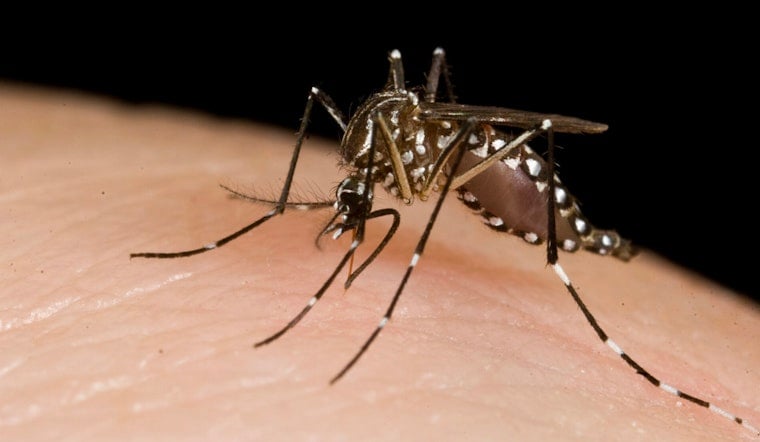
Mosquitoes have gotten so bad in Fort Bend County that officials have pulled the emergency lever. On June 16, 2026, county leaders declared a local public health emergency after trapping data showed mosquito counts as high as 5,000 in a single collection period, with 1,505 mosquito-related complaints logged by June 2.
Officials Escalate Response
Interim County Judge Daniel Wong said the county's health and human services staff had documented mosquito activity at levels that demand immediate action. Crews have already rolled out extensive ground-based treatments in neighborhoods across Fort Bend, and officials have told residents that aerial spraying is on deck to back up the truck and larval work. Final spray maps and a schedule are expected later this week, according to Houston Public Media.
County Mobilizes Ground And Aerial Teams
Fort Bend's Environmental Health division is mapping priority spray zones and coordinating with licensed aerial applicators. Official Maria Alanis-Caireli said full details will be released before any flights begin. County commissioners have already signed off on contingency funding to pay for aerial spraying while staff continue truck-based adulticide and larvicide treatments aimed at cutting down breeding sites. The funding decision is recorded in budget documents and public filings, according to county records.
Rain Fuels The Surge
Heavy rain has helped set the table for the mosquito boom. The National Weather Service placed much of southeast Texas under a flood watch and warned of 4 to 7 inches of additional rainfall, with isolated totals above 10 inches and rainfall rates of 2 to 5 inches per hour. Those kinds of downpours can overwhelm drains and leave behind plenty of standing water, which is prime habitat for mosquitoes. The advisory comes from the National Weather Service.
At the state level, Gov. Greg Abbott has issued a disaster declaration for severe weather that covers 101 counties, including Fort Bend. The move activates emergency resources and authorizes extra state support during the flood risk period, according to the Office of the Texas Governor.
How To Protect Yourself
Public health officials are leaning on the familiar "4-Ds" of mosquito protection. Residents are urged to avoid being outside at dusk and dawn, drain standing water at least once a week, dress in long sleeves and pants when possible, and defend themselves with an EPA-approved insect repellent.
That advice tracks with local and federal guidance. More details on repellents and how to eliminate breeding sites are available from Austin Public Health and the CDC.
What To Expect From Spraying
Once aerial operations begin, county officials say sprays will be applied by licensed operators who must follow state and federal environmental rules. Flights will only go forward in conditions that are intended to limit exposure to people and pollinators.
The aerial program is designed to knock down adult mosquitoes and is only one piece of a broader approach that also includes trapping, larval treatments, and efforts to reduce breeding sources in the community, according to Houston Public Media.
Where To Watch For Updates
County leaders say maps and schedules will be posted before any planes take off, and they plan to keep residents updated through official Fort Bend County channels and local media outlets.
People who spot heavy mosquito activity or standing-water breeding sites are urged to report them to the county's mosquito control team for follow-up. Fort Bend County's mosquito control webpage provides the latest updates along with instructions on how to file a report.




.jpg)