

























































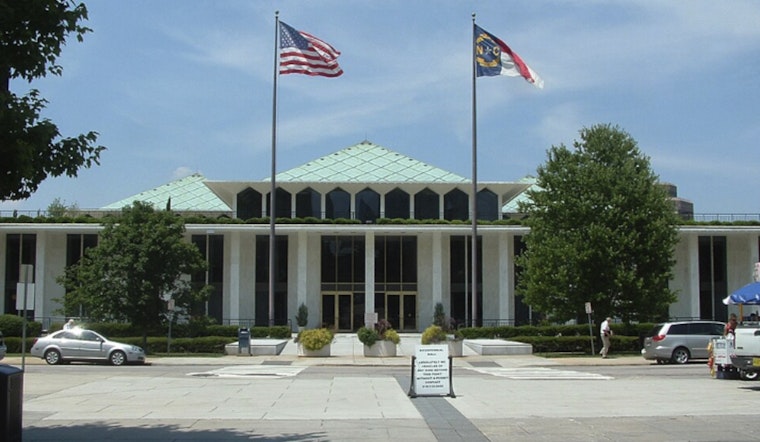
The North Carolina House on Wednesday signed off on legislation dubbed "Jaleeyah's Law," a sweeping update to the state's gang‑suppression rules named for 13‑year‑old Jaleeyah "Lee Lee" Tune of Goldsboro. The measure widens who can be labeled a gang leader or member, lowers the evidentiary bar for prosecutors to make that call, and ratchets up penalties tied to gang‑related crimes. Sponsors say they want prosecutors to have sharper tools in the wake of Tune's killing in December, and the bill now moves across the hall to the state Senate.
According to the North Carolina General Assembly, House Bill 1173 was ordered engrossed on June 10 after several roll‑call votes, including a 112‑0 vote to adopt an amendment and a 111‑2 vote on second reading. Legislative records show the bill rewrites multiple criminal statutes and folds in money for enforcement. With the House work finished, senators will take the next crack at the proposal.
What's in the bill
At the heart of the bill is a looser standard for tying people and groups to criminal gangs. Prosecutors would no longer have to prove that gang activity is a group's "primary purpose," and an alleged member could be designated by meeting two criteria instead of three. The measure also broadens what counts as a gang identifier, listing things like symbols or hand signs, particular clothing or colors, and social‑media posts that promote gang activity. Supporters argue the current law makes prosecutions nearly impossible and say the new wording reflects what investigators actually see on the ground, as reported by WUNC.
A key House amendment zeroes in on firearms and ups the stakes for weapons offenses linked to gangs. The change creates a new crime that makes it unlawful for a gang member to use or carry a firearm during, or in furtherance of, a serious felony, drug crime, or crime of violence. Under the amendment, that offense would be treated as a Class G felony, with brandishing or discharging the weapon pushing the charge into higher felony classes. The language, laid out in the amendment filed with the North Carolina General Assembly, spells out those new penalties.
Funds and enforcement
Supporters say the bill is not just about tougher statutes, but also about paying for people to enforce them. Rep. Sarah Stevens, a co‑sponsor, told colleagues the proposal would send more than $500,000 to the Conference of District Attorneys to hire two special resource prosecutors and one district attorney investigator focused on criminal gang activity. Backers contend those positions will help zero in on alleged organizers and adults accused of putting guns into the hands of minors, as detailed by The News & Observer.
Family and charges
Jaleeyah Tune was shot and killed in Goldsboro the week before Christmas 2025, and police there have charged three teenagers in connection with her death. Her killing and her family's public advocacy, including emotional comments from her mother and other relatives, helped fuel pressure on lawmakers to act. ABC11's coverage has chronicled the homicide investigation, the charges, and the community's response. As reported by ABC11, both the investigation and related court proceedings are still underway.
Critics and concerns
Opponents inside and outside the legislature warn that the broader definitions in the bill could rope in people whose clothes, language, or online posts are protected expression, or who simply mimic certain styles, raising First Amendment red flags. Democrats on the House floor argued the package leans heavily on punishment instead of prevention. Rep. Marcia Morey said the measure "doesn't look at the cause. It doesn't look at the prevention," and questioned why sponsors did not follow up on training, prevention, and interagency recommendations that surfaced in committee. The News & Observer detailed those objections and the back‑and‑forth during the House debate.
What's next
With the House version locked in, the bill now heads to the Senate, where lawmakers could revise or expand on what representatives approved. Any amendments there could reshape how broadly the law reaches and how it is enforced in practice. Both supporters and critics are expected to lean hard on senators over the coming steps, arguing for either more aggressive enforcement or tighter protections for civil liberties as Jaleeyah's Law moves through the upper chamber.



