

























































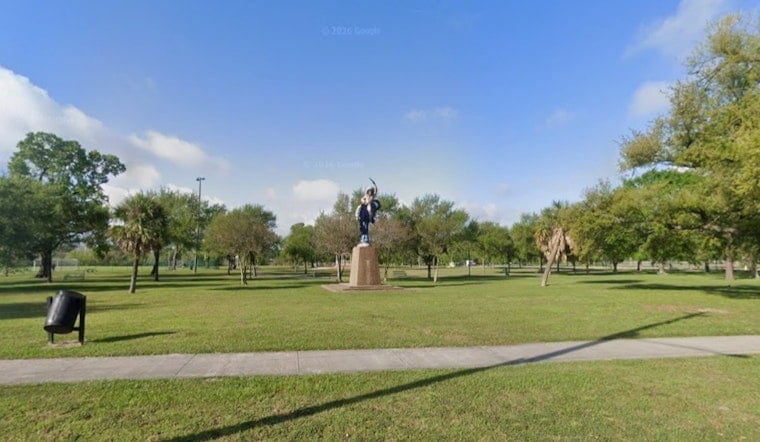
Houston's Near Northside is quietly losing the very families who gave the neighborhood its identity. Longtime Mexican American and Latino residents say blocks that once felt like an extended family are now lined with two-story infill homes and newcomers with far deeper pockets. Data and interviews suggest the shift is not just neighborhood gossip, it is a measurable exodus that is reshaping the character of the area. Neighbors point to rising sale prices, development around White Oak Music Hall and a steady drumbeat of buyout offers as the main forces pushing families out.
According to an analysis of U.S. Census Bureau data by the Houston Chronicle, Near Northside’s Hispanic population dropped by more than 20% between 2019 and 2024, roughly 4,000 people. Over the same period, the neighborhood’s Hispanic share slid from about 82% to roughly 72%. The Chronicle paired those numbers with resident interviews from the streets around Moody Park and the light-rail line, where people say the place they grew up in is changing faster than they ever expected.
Local Planning Numbers Put Change In Black And White
The City of Houston’s planning department groups Near Northside into Super Neighborhood 51, or SN 51. Using 2020–2024 American Community Survey estimates, city figures list about 22,484 total residents and roughly 16,046 people of Hispanic or Latino origin, along with a 2024 median house value of about $248,053, according to the City of Houston Planning Department. Officials note that these super neighborhood borders do not line up perfectly with ZIP codes, but they are meant to show, block by block, how population and housing trends are playing out. City planners say the 2020–2024 ACS five year estimates, released in January 2026, are the best snapshot available for local policymakers and neighborhood organizations.
Home Values In 77009 Leave Families Squeezed
Zoom in on the ZIP code that covers much of Near Northside, 77009, and the numbers get even starker. U.S. Census ACS data compiled for ZCTA 77009 put the median value of owner occupied homes around $420,200. Recent MLS summaries show median sale prices climbing well into the $500,000s. Redfin market data for 77009 has recorded median sale prices near $549,000 in recent months, a price point that leaves many working and middle income homeowners and renters feeling the squeeze, according to Neilsberg Research.
White Oak, Transit And A Wave Of New Development
Residents and local reporters often trace an early turning point to light rail expansion and the arrival of White Oak Music Hall, which opened in 2016 and helped lure new restaurants and investment up the corridor. Coverage of the venue’s debut chronicled how it quickly became a regional draw and a selling point for nearby real estate, according to Houstonia. Those early moves set the stage for larger plans, including proposals for a broader White Oak District that developers are pitching as a next hot spot for Houston, as reported in coverage on how developers bet a White Oak District will jump start Near Northside.
Residents Say They Are Being Priced Out Of Their Own Block
For people who grew up in Near Northside, the upside of new nightlife and investment often comes with a knot in the stomach. Longtime residents described the trade offs in blunt terms to the Chronicle. “I want to be able to get breakfast tacos and see my family, and maybe they can’t afford to live here anymore,” Sarah Castillo told the Houston Chronicle. Retired truck driver Joe Cavazos told the paper he expects to be “pushed out eventually,” adding that rising taxes and sale prices are making it tough to hold on with what he called a layman’s salary. Residents also describe a familiar pattern: homeowners getting repeated calls and unsolicited offers from investors and builders, which can speed up turnover on the blocks where those offers hit hardest.
Fighting To Preserve Community While Welcoming Investment
Some neighborhood leaders say that not all change is bad and that new money could mean better parks, safer streets and stronger services, if it is handled carefully. At the same time, many are adamant that Near Northside needs tools to keep longtime residents from being priced out. Local groups such as Friends of Moody Park are focused on park improvements and programming, while preservation advocates point to the area’s bungalows as part of a cultural landscape worth protecting. Reporting and community documents show leaders weighing zoning adjustments, affordable housing mechanisms and neighborhood based partnerships as ways to slow displacement and keep families in place, according to Click2Houston and Preservation Texas.
For now, Near Northside remains predominantly Hispanic, and on any given afternoon Moody Park and the side streets still feel like the same community many residents grew up in. But the numbers and the stories on the ground point in the same direction: the neighborhood is changing quickly, and the clock is ticking on how Houston will balance growth with the needs of its long established communities. City officials, neighborhood organizations and preservationists now face the challenge of turning attention into concrete policies that give families a shot at staying, even as the area continues to evolve.





