

























































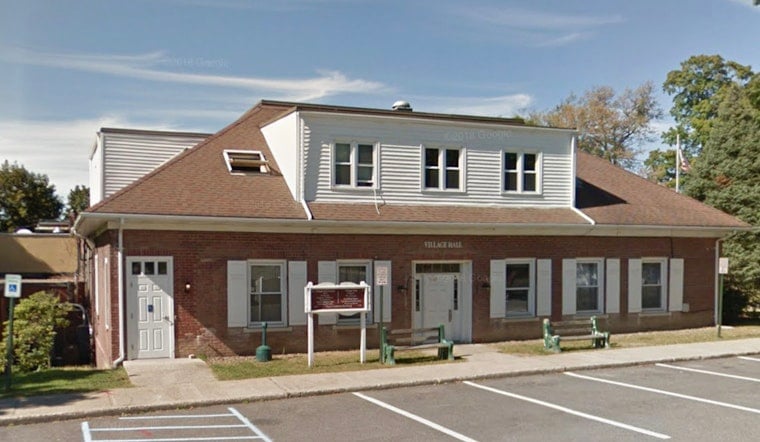
The Town and Village of New Paltz are pressing ahead with a controversial plan to merge their governments, sending a draft consolidation agreement to a series of public hearings after both boards voted this month to move it forward. Union representatives at a recent joint meeting warned that, as written, the draft could treat current village workers as brand‑new hires in a consolidated town, raising alarms about what happens to their seniority, accrued sick time and pension protections. Supporters counter that consolidation would cut overlapping layers of government and open the door to state tax credits, but residents and staff say they want clear, written guarantees for employees before anything goes to voters. The fight now shifts to three July hearings that will determine whether the proposal reaches a fall referendum.
What’s moving forward
Both the Town Board and the Village Board voted to send a proposed joint consolidation agreement to public comment and a scheduled round of hearings. The town, village and their consultant have posted timelines, FAQs and instructions on how to weigh in. Laberge Group, the consulting firm advising local officials, has published a public Q&A that lists a July 7 hearing at the middle school and explains how the boards can amend the draft before voting on a final agreement. Under state law, if both boards ultimately approve a final plan, the question then goes to separate referendums: one for village voters and one for town‑outside‑village voters. As outlined by Laberge Group, the documents and timeline are meant to guide public comment and board deliberations over the coming weeks.
Union concerns
Union leaders used the latest meeting to sound the alarm about how the draft reads for village staff. They argued that if current employees are treated as “day‑one” workers in a new, consolidated town, they could lose years of seniority along with banked sick time and long‑standing pension expectations. Kyle Roberts, president of the CSEA village unit, raised those concerns during public comment and urged officials to add firm covenant language protecting workers’ existing benefits and status. Other residents pressed for answers on how the consolidation agreement would mesh with existing collective‑bargaining contracts and retirement tiers, and whether transition language could be locked directly into the legal document. As reported by Daily Freeman, union representatives repeatedly called for clearer, stronger employee protections.
Officials respond and recent history
Village officials replied that there is only so much they can dictate on their own. They stressed that the boards cannot simply rewrite union contracts inside a consolidation plan and that any changes to workers’ status would still have to be negotiated under existing agreements and labor law. Deputy Mayor Alexandria Wojcik told the joint meeting that “the boards cannot dictate union negotiation terms,” while Trustee Richard Souto said he wants to understand what options the village has to protect staff within the agreement. The consolidation push itself dates back to a 2024 revival of the idea by Mayor Tim Rogers, followed by consultant work and public outreach covered by local media. As previously discussed in Hudson Valley One, officials say a final agreement could include employee protections if both boards and, ultimately, voters sign off.
What’s next for residents
The boards have scheduled public hearings for July 7, July 15 and July 29, with joint work sessions penciled in through early August to tweak the draft before any final vote. The town and village have posted documents, calendars and the consultant’s FAQ packet online so residents can study the details ahead of time. If both boards adopt a final joint consolidation agreement, state law then requires two separate majority votes: one by village residents and another by town‑outside‑village voters, before any merger can actually take effect. For the latest schedule and meeting notices, residents are directed to the Town of New Paltz calendar and the consultant’s Q&A materials.
Legal and union stakes
New York’s General Municipal Law Article 17‑A governs how a consolidation like this is supposed to happen, including what it means for employees, contracts, debts and the effective date of any reorganization. The statute spells out the steps for publication, public hearings and referendums that town and village boards must follow. It also addresses how offices and employees transition into a new entity, although labor contracts and pension rules are controlled by separate statutes and negotiated agreements. That means municipal leaders and union negotiators will have to align any transition language in the consolidation agreement with existing labor law and contract obligations. For a broader overview of the legal framework, officials are pointing to the New York Department of State’s guidance on local government reorganization.
How to weigh in
Residents who want a say in whether New Paltz keeps two governments or moves to one have several options. They can show up in person at the July hearings or send written comments to the boards and the consultant using the instructions posted online. Officials are expecting a mix of formal public testimony, detailed technical questions and line‑by‑line debate over exhibits attached to the agreement, so anyone hoping to speak is advised to arrive early and sign up. Before the hearings, residents can review agendas, past meeting materials and submission instructions through the Village’s consolidation archive and the consultant’s Q&A documents.


