

























































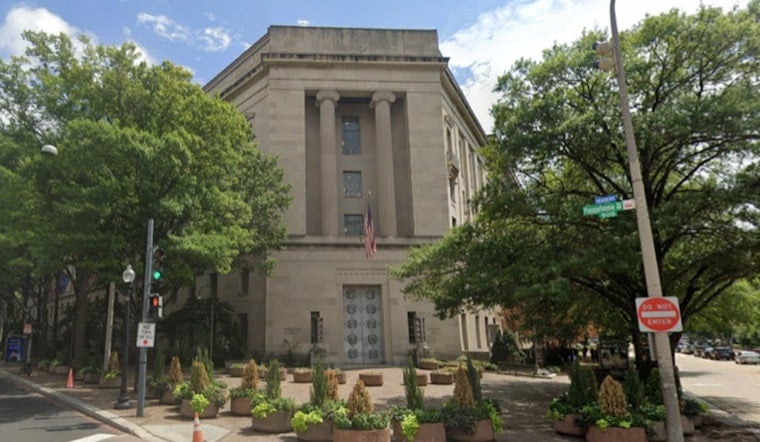
A federal judge in Alexandria has refused to let the Justice Department quietly walk away from a controversial $1.8 billion settlement fund tied to former President Donald Trump, keeping a high-stakes lawsuit very much alive. On Thursday, Judge Leonie Brinkema said the challenge to the Justice Department’s so-called "Anti-Weaponization Fund" will proceed after the department declined to file a short sworn declaration stating that the program is dead. Brinkema noted that such a declaration, made under penalty of perjury, likely would have been enough to moot the case. Without it, she wrote, the plaintiffs’ challenge remains a live dispute.
The fund was rolled out by the Department of Justice as part of a May 18 settlement connected to Trump’s $10 billion lawsuit against the IRS. The program was slated to be capitalized at about $1.776 billion from the Judgment Fund, with a commission empowered to issue formal apologies and monetary relief to claimants, and any leftover money returning to the federal government. The plan called for a five-member commission appointed by the attorney general to oversee the program, according to the Justice Department.
The Alexandria lawsuit was filed by Democracy Forward on behalf of a coalition that includes former federal prosecutor Andrew Floyd, Professor Jonathan Caravello, the City of New Haven, the National Abortion Federation and Common Cause. The plaintiffs contend the fund was created without congressional authorization, improperly taps the Judgment Fund, and creates real-world risks - from rewarding political allies to further endangering already targeted clinics and public officials. Those arguments are laid out in the complaint and supporting briefs filed by Democracy Forward.
What The Court Ordered
Earlier this month, after a tense hearing, Brinkema issued a preliminary injunction that blocks the government from creating or operating the fund while the lawsuit proceeds. The order halted transfers of money, payments to claimants, appointment of commissioners, processing of applications and any other steps to stand up the program while the court considers requests for more permanent relief, according to Reuters.
At the same time, the judge gave the government a narrow escape hatch: submit a signed declaration from senior officials promising the fund would not move forward, or prepare to litigate the legality of the program in full. The Justice Department passed on that option.
Why The Judge Kept The Case Alive
Acting Attorney General Todd Blanche told Congress in early June that the department was "not moving forward with the fund." But he did not rescind the May 18 memorandum that created the program, and he declined to put the department’s change of course into a sworn filing in federal court. Instead, the Justice Department told Brinkema it would not provide the specific declaration she requested, arguing that the demand was unnecessary and raised separation-of-powers concerns. Brinkema responded that public statements, without the backing of a sworn declaration, do not carry the same legal weight, according to the Washington Post.
That gap between what DOJ is saying in public and what it is willing to say under oath is what kept the courtroom door open.
What Happens Next
Brinkema’s earlier order gave the administration a short deadline to file the sworn declaration and warned that, absent that filing, she would issue a scheduling order and require a responsive pleading from the government. With no sworn rescission forthcoming, the case has now shifted from a holding pattern into full litigation mode, with briefing on the merits and any discovery the court allows on the horizon. The procedural roadmap for this next phase is laid out in the court’s June 12 order, which is available through Democracy Forward.
Legal Implications
The lawsuit targets a mix of statutory and constitutional issues. At its core is the question of whether the executive branch can rely on the Judgment Fund to create a large-scale compensation program without explicit sign-off from Congress, and whether the settlement structure used here falls within lawful executive authority. The plaintiffs argue the arrangement amounts to viewpoint-based spending that runs afoul of separation-of-powers principles and basic administrative-law limits. The government’s main response so far is that the program is abandoned and the whole case is therefore moot, according to the AP.
For readers in Alexandria and across Northern Virginia, the ruling means the federal courthouse here remains a focal point in a national fight over how taxpayer dollars can be deployed to resolve politically charged disputes. Expect accelerated briefing, potential discovery into the true status of the fund, and, depending on how Brinkema rules on standing and the merits, appeals that could send the controversy up the judicial ladder. The litigation calendar now appears likely to run through at least mid-summer as both sides press their competing legal theories.





