

























































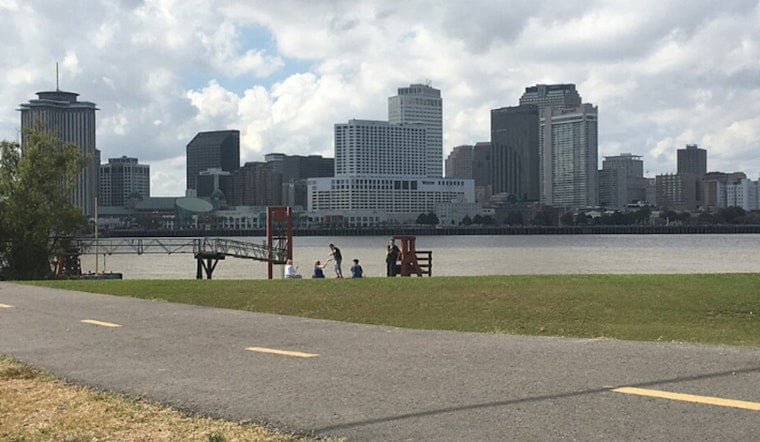
North Minneapolis’ riverfront is getting a quiet but very real glow-up. A short, newly opened trail now runs from the North Loop through Ole Olson Park up to the 26th Avenue Overlook, while crews keep reshaping the broader Upper Harbor Terminal site into parks, homes, and a performance center. The trail itself is tiny, about a quarter-mile, yet it stitches together long-fractured stretches of riverfront, giving neighbors safer space to walk, bike, and watch the water. For riders and families, the new segment feels like an early teaser for a much bigger transformation that is slated to bring an amphitheater and expanded parkland.
A first trail through the redevelopment
The first public trail through the Upper Harbor redevelopment, a landscaped quarter-mile section with benches, viewing platforms and other street furniture, is now open, as reported by MinnPost. The new link runs north from the North Loop through Ole Olson Park to the 26th Avenue North Overlook and is designed to feel comfortable for casual riders and walkers alike. Its modest length hides its importance, since it delivers the first stretch of continuous public river access in decades for much of the North Side.
Performance center on the schedule
City officials and project partners held a May groundbreaking for the Community Performing Arts Center, an 8,000-person amphitheater that will anchor the site, and the venue is expected to open in summer 2027, according to the Star Tribune. First Avenue and the Minnesota Orchestra are set to run programming there, and the city says event revenue will help pay for neighborhood benefits. The amphitheater is planned as the cultural centerpiece of a 20-acre riverfront park within the larger redevelopment.
A big, active construction site
The Upper Harbor Terminal project covers roughly 48-53 acres of riverfront and remains an active construction zone as the city and partners build access, infrastructure and parkland, per the City of Minneapolis project page. Street reconstructions and a new segment of West River Parkway are part of this phase, with the goal of making the site more walkable and bikeable once the dust settles. In the meantime, trail users should be ready for detours and occasional temporary closures near the work zones.
Design touches and wildlife
The newly opened trail mirrors design elements from the MPRB’s 26th Avenue North Overlook and trail-connection project, including benches, bike racks and viewing platforms that pull people closer to the river while still protecting habitat, according to the Minneapolis Park and Recreation Board. Shoreline and habitat work coordinated with watershed partners has already helped draw waterfowl and a variety of birds back to the bluff, per the Mississippi Watershed Management Organization (MWMO). Those small ecological wins are early pieces of longer-term restoration plans for the site.
What comes next
For riders, the immediate payoff is straightforward. The new connection fills a nagging gap along the riverfront, making it easier to piece together a mostly continuous route from downtown that only requires a short on-street stretch to complete, a goal long championed by RiverFirst planners and local greenway groups, according to the Minneapolis Riverfront Partnership. Over the next year, residents should see more work on park space, trail links and the amphitheater build. The small open segment offers a preview of how the finished river edge could look and feel. As construction moves ahead, community organizers plan to keep a close eye on whether promised local benefits, including jobs, programming and affordable housing commitments, show up along with the new amenities.
How to visit
The trail segment is open now, but visitors are advised to use the 26th Avenue Overlook and Ole Olson Park access points and remember that parts of the Upper Harbor site remain active construction zones with limited parking and fenced-off areas. For the latest information on closures and safe access routes, check updates from the Minneapolis Park and Recreation Board and the city’s Upper Harbor project page. Local groups and greenway advocates also host occasional rides and walks that spotlight the changing riverfront.





