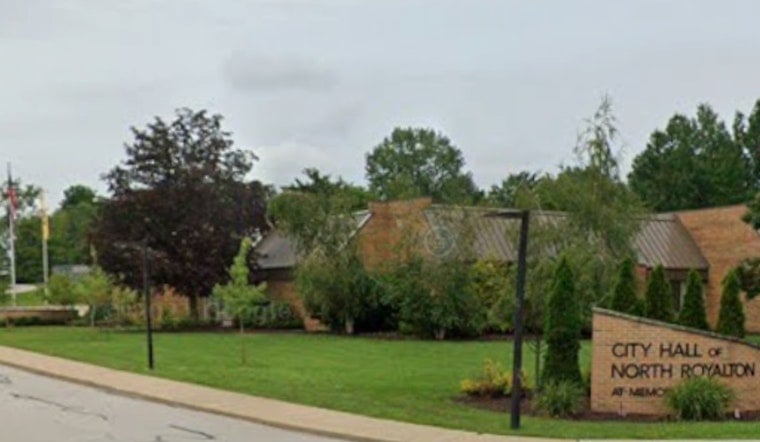
North Royalton residents could be looking at a pricier EMS tab, depending on how City Council votes Tuesday night. Lawmakers are set to decide whether to ask voters for a straight renewal of the city’s emergency medical services levy in November or to tack on an increase that would nudge up local property taxes.
Under the renewal-only option, the levy is estimated to bring in about $1.86 million a year, at a cost of roughly $47 per $100,000 of property value. The alternative would raise the levy to 2 mills, which city officials say would generate about $2.27 million annually and cost about $57 per $100,000 of value.
As reported by Cleveland.com, both options are being advanced as emergency ordinances so the city can meet state deadlines for getting issues certified for the ballot. If voters approve either version in November, officials say the levy would take effect with the 2027 tax year, with collections starting in 2028.
Ballot Timing and Next Steps
If council signs off on the emergency ordinances, the measures will head to the Cuyahoga County Board of Elections for placement on the Nov. 3, 2026 general-election ballot. According to the Cuyahoga County Board of Elections, Nov. 3 is the date of the 2026 general election.
Why City Officials Say Funding Is Needed
According to the city’s 2024 audit from the Ohio Auditor of State, North Royalton maintains a dedicated EMS Levy Fund and notes that property-tax revenue collected inside Ohio’s 10-mill limitation is not enough to fully cover emergency medical services.
City council members and finance staff have repeatedly flagged the issue in committee meetings, warning that rising operating costs and pending state legislation could make it risky to let the current levy expire without a solid replacement. Those concerns are spelled out in City of North Royalton finance committee minutes.
What Voters Should Watch For
Both versions of the levy are designed to fund North Royalton’s EMS operations, including firefighter and paramedic staffing, equipment and response costs. The higher 2-mill option is pitched as giving the city a bit more breathing room in its budget.
Estimates put the gap between the two plans at about $10 per $100,000 of property value, with city leaders saying that extra amount is intended to help avoid service cuts or slow erosion of EMS coverage. Residents who want the fine print on ballot language, levy duration and the exact first-collection year will need to keep an eye on upcoming council packets and the county’s certification notices as the November election approaches.