

























































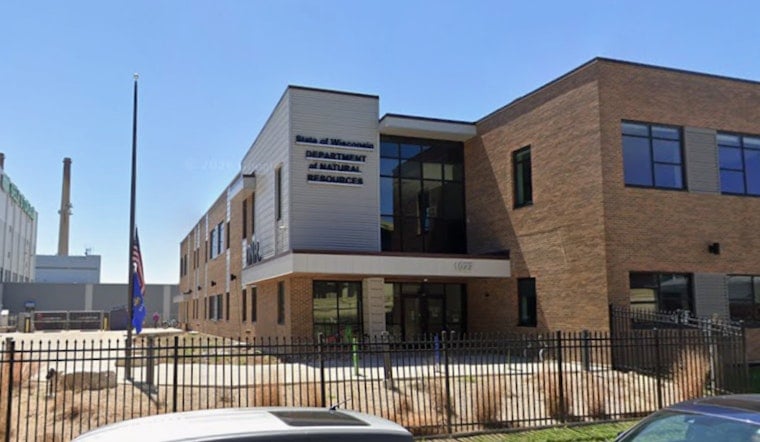
The Wisconsin Department of Natural Resources has idled its Brule River and Osceola hatcheries and scaled back fish stocking after a months-long fight over emergency funding left the agency unable to tap money in time. Guides, anglers and small-business owners in lake towns say they are bracing for thinner tourist seasons and fisheries that could take years to rebound. DNR officials counter that the shutdowns are tied to missed production windows, rising costs and staffing shortages, and that some damage cannot be undone this year even though lawmakers eventually signed off on emergency spending.
What happened
The DNR told the Legislature's Joint Committee on Finance it needed roughly $4 million by an April 12 deadline to avoid deep cuts to stocking, habitat work and basic maintenance. When the committee held off on a vote, the agency moved ahead with reductions and closed the Brule River and Osceola hatcheries. Lawmakers later granted spending authority, but the department told WPR it is still staring at about an $11 million shortfall in the fish-and-wildlife account and that some production timelines had already slipped past the point of recovery.
What was at risk
Earlier this spring, the DNR warned that without emergency cash it would cut musky stocking by roughly 70 percent and walleye stocking by about 45 percent, which would have meant hundreds of thousands fewer fish going into state waters, according to WXPR. The initial proposal worked out to about an 11 percent reduction in stocking statewide, and agency updates later softened some of those cuts. Even so, anglers say certain lakes and regions are still in for steep local declines.
Timing, eggs and costs
Fisheries staff say the calendar is not negotiable. Spawning and egg collection often happen in tight windows, and once those windows close the chance to produce that year's crop of fish is gone.
At the Les Voigt hatchery in Bayfield, staff were raising around 30,000 brown trout fingerlings that would normally be transferred to Brule to finish growing. In a typical year, about 160,000 fish move from Les Voigt to Brule each summer. With Brule shut down, some of those trout will be released early this fall instead of spending more time growing out in the hatchery.
Staff also point to the basic math: costs are up and workers are harder to find. A 50-pound bag of feed that ran about $16 some twenty years ago now costs roughly $55, and the department told WPR those rising expenses, combined with fewer employees, are squeezing the same budget that is already in the red.
Local reaction
Groups such as Friends of the Wisconsin Fisheries have organized against the shutdowns and stocking cuts, warning that fewer fish in the water means fewer anglers on the water and less money for bait shops, lodges and restaurants in the Northwoods. Local leaders and state lawmakers are divided over who dropped the ball and how to fix it, with reporting capturing both anger over the legislative delay and irritation with the agency's planning, as covered by Northern News Now.
Why it matters and what comes next
This is not just a weekend-fisher story. Federal data from the U.S. Bureau of Economic Analysis show that boating and fishing are major drivers in Wisconsin's outdoor economy, with boating and fishing alone accounting for roughly $700 million in recent BEA tables. Conservation groups and some legislators are now talking about license fee changes or dedicated recreation funding as ways to shore up long-term support.
Meanwhile, the DNR is still facing program gaps that could trigger longer-term staffing and service cuts, a scenario laid out in detail by Outdoor News. Even with emergency money now in play, many of this year's missed opportunities on the water are already baked in.



