

























































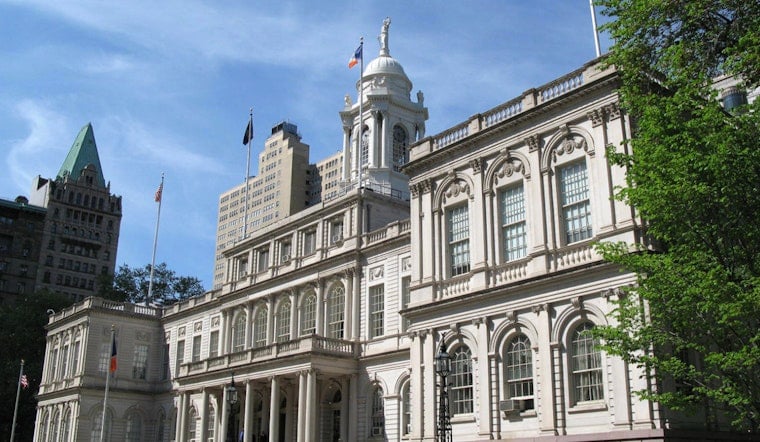
The City Council is moving to clamp down on what one lawmaker calls abusive anonymous 311 campaigns that bury building owners in inspections and paperwork. A new proposal would brand some private buildings as "harassed" and tell 311 operators to stop forwarding certain non-emergency anonymous complaints once a pattern of repeat, unsubstantiated reports shows up. Supporters say it is a needed fix for weaponized complaints that waste inspectors' time, while housing advocates warn it could quietly sideline tenants living with serious problems.
How the bill would work
Filed as Int. No. 924, the measure would add a new section to the city administrative code that orders the 311 Customer Service Center to document, but not refer, non-emergency anonymous calls about any property classified as "harassed," according to the City Council's legislation page. A "harassed" property would be a privately owned building that is the sole subject of three or more anonymous complaints referred to an agency within six months, where inspectors either cannot substantiate the alleged condition or decide it is not a violation. Once tagged, that status would last three months. The bill text also provides that the law would take effect 180 days after it is signed. Int. 924 was introduced on June 11, 2026 and sent to the Council's Committee on Governmental Operations for review.
Supporters and sponsors
Queens Councilmember Joann Ariola, who introduced the measure, told The Real Deal that the flood of repeat anonymous calls "are taking inspectors away from jobs that result in violations." The Real Deal also reports that Councilmembers Farah N. Louis and Frank Morano have signed on as co-sponsors and that landlord groups, including the Small Property Owners of New York, are lining up behind the bill. Those groups say the 311 system needs extra "guardrails" so building owners are not stuck responding to the same baseless anonymous tip again and again. Backers argue Int. 924 would let agency staff spend more time chasing complaints that actually produce code violations instead of getting bogged down in déjà vu inspections.
How 311 triage already affects enforcement
Tenant advocates counter that the 311 system is already thinning out a lot of complaints long before an inspector ever shows up. A City Limits analysis found that during January's brutal cold snap, tens of thousands of "no heat" complaints were flagged as duplicates and many were closed without separate inspections. Critics say limiting referrals even further for anonymous tips could deepen that pattern and make it easier for serious problems to slip through the cracks. They argue that any rule curbing follow-up on anonymous calls should carve out clear exceptions for immediately hazardous conditions, so life-safety issues do not get quietly parked in a log instead of in an inspector's hands.
Politics and next steps
The bill lands in the middle of a broader City Hall tug-of-war over how much regulatory pain property owners should bear compared with protections for tenants and small businesses. As reported by The Real Deal, progressive council members are simultaneously pushing Albany on commercial rent stabilization, while the governor has floated regulatory changes pitched as a way to cut red tape. Sponsors of Int. 924 emphasize that their proposal is narrowly aimed at non-emergency, anonymous tips that have repeatedly gone nowhere. Opponents say they want stronger built-in safeguards to make sure health and safety complaints, even from anonymous callers, still trigger in-person inspections when needed.
Where it goes from here
For now, Int. No. 924 sits in committee, where it could be tweaked during hearings before the Council takes any vote. That is where the fine print will get hashed out, including any specific carve-outs for emergency or hazardous conditions. According to the City Council's legislation page, the full bill text and meeting agendas are posted for the public, and future actions will be logged as the measure moves through the Committee on Governmental Operations.





