

























































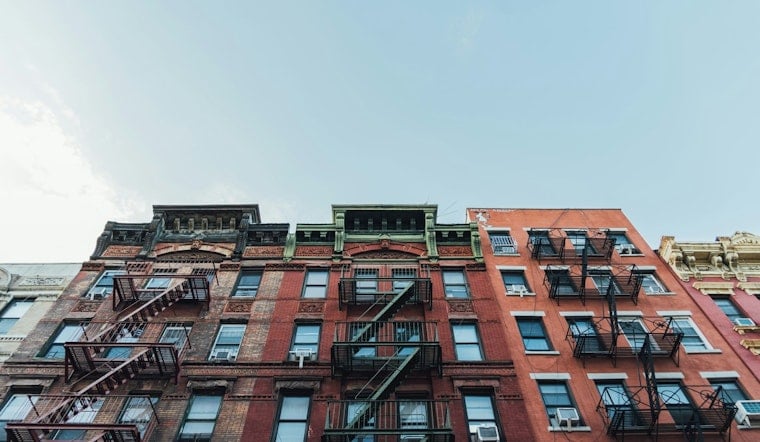
Rent Guidelines Board member Arpit Gupta is pushing a split rent order that would hit the city’s most neglected rent-stabilized buildings with a rent freeze, while letting most other stabilized apartments see a modest 2 percent bump. Supporters cast it as a way to finally put real financial pressure on chronic violators, while critics worry it is a risky carve-out that abandons the long tradition of one across-the-board increase.
Gupta's plan: 2 percent for most, freeze for the worst
As reported by The Real Deal, Gupta formally filed a motion that would grant a 2 percent increase for most rent-stabilized landlords and a full freeze in buildings that meet the city’s Alternative Enforcement Program criteria for chronic housing-code problems. “I’m hoping it’s a more sustainable system,” Gupta wrote in the proposal, according to The Real Deal. The motion did not advance to a full board vote at the panel’s most recent meeting, so for now it sits on the sidelines.
How many properties would be affected
Staff for the Rent Guidelines Board found that the universe of buildings that generally meet AEP-style standards is tiny: about 1,185 parcels, or roughly 2.7 percent of buildings with rent-stabilized units, according to a Rent Guidelines Board memo. That same memo, using Department of Finance data, reported that pre-1974 buildings with high violation counts had a median net operating income of about $225 per unit per month, with the sample in the Bronx around $220 per unit. The board also flagged that those NOI figures do not include debt service or major capital expenses, a caveat that has become a key talking point for owners.
Why landlords and tenant groups are split
Gupta argues the numbers show that owners of distressed properties still clear a positive return and should be nudged, or shoved, into fixing conditions instead of pulling out equity. Landlord groups counter that a targeted freeze would strip already thin cash flow from highly leveraged small owners and could actually make these buildings harder to repair, a warning they repeated at public hearings, as City Limits reported. Tenant organizers, for their part, are not especially moved by a narrow penalty aimed at the bottom tier of buildings and continue to push for a citywide freeze or even outright rollbacks.
What happens next
In its May preliminary vote, the RGB kept a zero-percent option alive by approving ranges of 0–2 percent for one-year renewals and 0–4 percent for two-year leases, which means a more targeted freeze is still possible when the board casts its final vote, NBC New York reported. The Rent Guidelines Board is now taking its show on the road for borough hearings and will weigh public testimony before issuing its final rent order in late June, according to the Rent Guidelines Board. With tenants, landlords and elected officials all jockeying for position, the fate of Gupta’s motion will ultimately hinge on how board members balance affordability concerns against owners’ financing pressures.
If the split approach is adopted, it would mark an unusual move for the RGB, one that tries to thread a political needle by shielding tenants in the city’s most troubled buildings while directly targeting what advocates call the worst landlords in New York. For now, the idea remains very much in play in a high-stakes season for housing policy at City Hall and across the five boroughs.





