

























































New York City Comptroller Mark D. Levine set housing Twitter buzzing on Friday with a simple message: the city is “literally turning an old MTA garage into over a thousand homes and a park,” and if you want nicer cities, you make it easier to build more housing. The line came in a short retweet of a local account, but it ricocheted quickly through housing advocates, planners and City Hall watchers who saw it as a tidy slogan for a broader movement to unlock public land for homes and open space.
RT @sam_d_1995: lfg we are literally turning an old mta garage into over a thousand homes and a park the secret to making cities nicer is simply making it easier to build more housing
— Mark D. Levine (@marklevinenyc) June 26, 2026
Which Garage Is This?
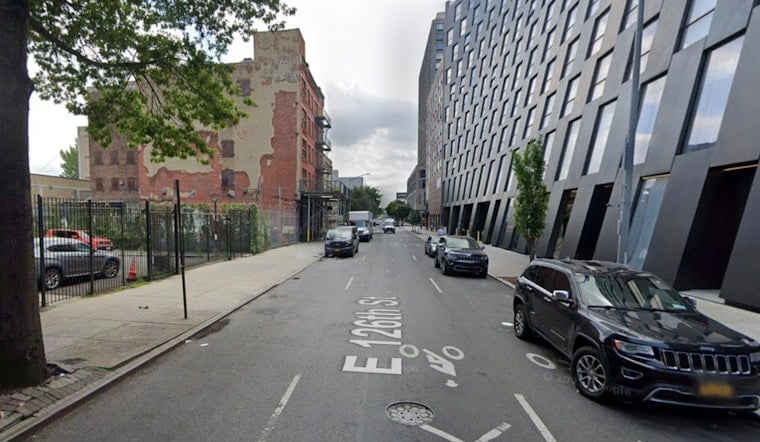
Levine’s post, which he amplified on X, did not mention an address, a block and lot number or any formal filing, leaving observers to speculate which “old MTA garage” he had in mind. What is clear is that the city has already been treating decommissioned transit facilities as prime candidates for redevelopment. One prominent example is the former East 126th Street MTA bus depot in East Harlem, which the city has taken up for a memorial and a mixed-use project with homes and community space. According to NYCEDC, the plan centers a public memorial on the historic burial-ground footprint and calls for a mixed-use program with a majority of income-restricted apartments.
Other Big Public-Site Projects
The same basic idea is playing out on a much larger canvas in other corners of the city. At Willets Point near Citi Field, the long-anticipated transformation has begun to materialize, with the first 880 affordable apartments now open. Developers say the full buildout will deliver thousands more homes along with substantial new public open space, according to Related Companies.
Inside City Hall, the Adams administration has been pressing agencies to comb through their real estate and advance city-owned parcels for housing. The mayor’s team says that push has helped move nearly 10,000 homes forward on municipal sites, framed by a series of neighborhood plans and executive orders that spell out the policy approach. For the official overview of that citywide effort, see the mayor’s office materials.
What Experts Say About Building More Housing
Academic work on housing supply has been leaning in a fairly consistent direction: on average, building more homes helps cool rent growth across a city, even if the precise neighborhood impacts depend heavily on scale, local policies and protections for lower-income renters. Research from the NYU Furman Center on land use and housing policy, for example, finds that increased supply can slow rent hikes, while also stressing that affordability programs and careful project design remain essential. Housing advocates, for their part, caution that big rezonings and large public-site projects should come with strong local hiring commitments, deep affordability and anti-displacement measures. For a deeper dive into rezoning tradeoffs and neighborhood concerns, see coverage in City Limits.
What To Watch
For now, Levine’s viral housing slogan is less a site announcement than a reminder: transit depots, parking garages and other municipal lots sit at the center of the city’s housing strategy. The concrete details that matter to neighbors and watchdogs alike, including which parcel is in play, how many units are planned, the affordability breakdown and what the promised park looks like, will surface in formal RFPs, ULURP applications and agency press releases.
Anyone tracking the garage storyline will want to watch for new RFPs, project-team selections and public review calendars from agencies like NYCEDC and HPD as they turn political momentum into binding paperwork and updated maps. For a sense of how that process unfolds in practice, see NYCEDC for the East 126th Street project timeline and next procedural steps.





