

























































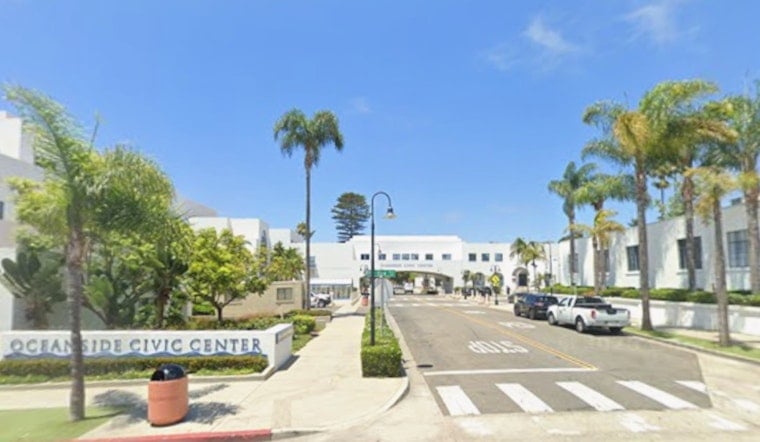
Oceanside voters are headed for a fall showdown over how the city pays for public construction work, after the City Council voted to put a prevailing wage charter amendment on the Nov. 3 ballot. The proposal would align the city’s rules for public works and wage standards with state law. Supporters say it clears up confusing language and keeps Oceanside in the running for state grant money, while critics worry it could hike costs for local contractors.
City staff has framed the measure as a narrow clean up to Article 3 of the charter that clarifies how Oceanside applies prevailing wage rules and project labor agreements. The changes are intended to keep the city eligible for state funding on public works jobs by syncing charter language with recent state statutes and by removing gray areas around the council’s authority to use PLAs. Any charter change would take effect only if a simple majority of voters, 50 percent plus one, signs off in November, according to the City of Oceanside.
The issue has been brewing for weeks. On May 20, Mayor Esther Sanchez and Deputy Mayor Eric Joyce asked staff to draft charter language, and the council initially voted to move that work forward. The council then took final action at its June 3 meeting, voting to place the proposed amendment on the Nov. 3 ballot while Councilmember Peter Weiss was absent. That timeline and the public testimony around it were detailed by The Coast News.
“This is our opportunity to say as a city that we’re going to at least meet the bare minimum and not be a block on working families’ ability to earn for their families,” Joyce said at the June 3 meeting, according to The Coast News. Several union representatives lined up during public comment to urge the council to send the amendment to voters, arguing it would protect local jobs and ensure fair pay on taxpayer funded projects. Supporters repeatedly tied the change to Oceanside’s ability to keep tapping state infrastructure dollars.
Concerns surfaced on the dais, even if they did not dominate the microphone. Councilmember Rick Robinson questioned whether tightening the charter could make it harder for smaller local contractors to compete for city work, and reporting indicates Weiss left the June 3 meeting before the final vote. The San Diego Union-Tribune noted that more than a dozen union members spoke in favor of the charter fix and that no members of the public filed formal opposition at the hearing.
Putting the measure on the ballot is not free. The San Diego County Registrar of Voters estimates it will cost Oceanside roughly $95,000 to $125,000 to run the election, and staff told councilmembers the city’s elections account has enough to cover it. The staff analysis also concludes there would be no direct ongoing fiscal impact from the charter language itself if voters approve it, although shifts in how the city bids or manages public works could carry longer-term cost implications, according to the City of Oceanside.
What the Charter Change Would Do
On paper, the amendment is mostly about clarity. It would revise Article 3 so Oceanside’s charter language mirrors state public works law and spells out when the city must pay prevailing wage or may require a project labor agreement. City officials say that clarifying the language is meant to head off potential challenges to the city’s eligibility for state grants and other financial assistance for capital projects, and to make the City Council’s authority over PLAs more explicit, as described in Oceanside’s charter pages.
How This Fits Regionally
Oceanside is not moving in a vacuum. Across the region, local governments have tightened labor and contracting rules in recent years as they chase state funding and respond to pressure over worker protections. San Diego County adopted subcontractor transparency and related contracting rules following the 2022 Board of Supervisors action, as reported by KPBS. Nearby cities have taken their own steps, including local prevailing wage or sector specific wage policies in places like Chula Vista, documented by the City of Chula Vista.
What’s Next
The political fight over the charter amendment will now play out alongside Oceanside’s regular election season. Campaigns for and against the measure are expected to run through the summer and fall ahead of the Nov. 3 general election. Voters will also be choosing new representatives for City Council Districts 1 and 2, with the official candidate filing window scheduled to open in mid July. Filings by Emily Gonzales and Michael Cline, along with committee activity involving Rick Robinson and Eric Joyce, have already surfaced in coverage by The San Diego Union-Tribune. Expect campaigns to spar over jobs, construction costs and access to state dollars as they work to define the measure for voters.
The charter amendment would only take effect after it clears the ballot and is formally filed with the Secretary of State. Until that happens, Oceanside will keep operating under its existing charter language. Residents who want to dig into the fine print can find the full staff report, proposed charter text and other materials in the City Clerk and council agenda packet for the June 3 meeting.





