

























































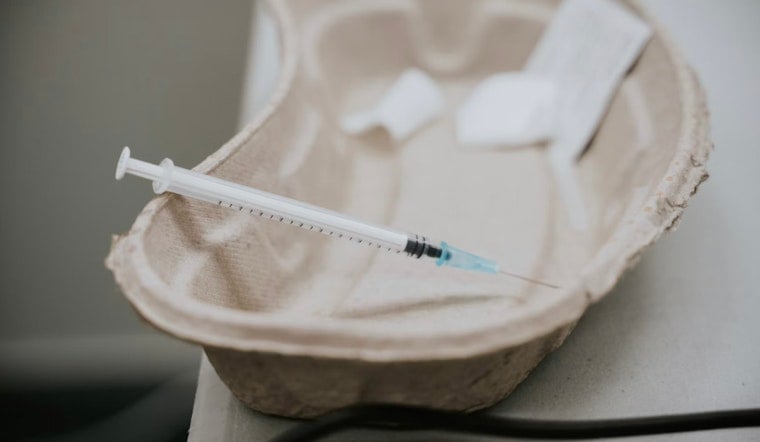
A temporary Oklahoma law that has protected syringe service programs is set to vanish on July 1, 2026, leaving grassroots distributors and tribal clinics staring at a legal cliff. Operators and public health advocates say the programs have likely helped stave off overdoses and curb infectious disease, but the looming sunset has already convinced some providers to stop handing out syringes and pivot to naloxone only. Clinics in Tahlequah and Tulsa report distributing hundreds of thousands of sterile syringes in recent years and using that face-to-face contact to steer people toward testing and treatment.
Senate Bill 511, passed in 2021, created a narrow safe harbor for registered harm reduction efforts but built in an automatic expiration on July 1, 2026. The bill spells out registration and reporting rules, and SB 511 is the statute that let syringe programs operate under state supervision in the first place.
According to reporting by The Oklahoman, the reach of those efforts has been sizable. The state Department of Health estimated that registered programs served more than 8,800 people between 2022 and 2025, and partners say they distributed about 1.25 million syringes over that period. The Oklahoma Harm Reduction Alliance told the paper it believes its services have helped prevent roughly 300 overdoses so far, while groups such as HOPE in Tulsa handed out hundreds of thousands of sterile syringes last year alone. Advocates point to those numbers as Exhibit A in their push to keep the legal protections alive.
The Cherokee Nation has become a high-profile case study in that model. The Nation launched a harm reduction clinic and mobile unit in northeast Oklahoma in 2022, using both the storefront and the van to provide sterile supplies, naloxone, testing, and referrals. Principal Chief Chuck Hoskin Jr. has urged lawmakers to extend the protections so those services can continue, according to local coverage by KJRH.
What the research shows
Federal guidance backs up the basic premise of syringe services programs. The Centers for Disease Control and Prevention says comprehensive SSPs are linked to about a 50 percent drop in new HIV and hepatitis C infections and often serve as a doorway into testing, naloxone distribution, and treatment referrals. The CDC cites decades of research finding that well run programs do not increase crime or drug use in surrounding communities.
Legal consequences for providers
If the state safe harbor lapses, groups that distribute syringes could suddenly find themselves exposed to criminal or civil penalties under Oklahoma's drug paraphernalia law. That statute sits in Title 63 of the Oklahoma statutes, and a national legal survey notes that related civil fines in some Oklahoma provisions can climb into the several-thousand-dollar range. Advocates say that kind of risk is already pushing some organizations to pull back from syringe distribution. For the statutory language, see the Oklahoma code on Justia and Network for Public Health Law's 50 state survey for additional detail.
Lawmakers tried to avoid this crunch once already. A House bill to renew the safe harbor cleared the House but never made it to a vote on the Senate floor in 2025, according to The Oklahoman. Advocates argue that extending the protections would let registered programs keep offering the full suite of services, including syringe distribution, disposal, and links to care, while allowing the law to expire will force many organizations to narrow their work to naloxone and education.
For people who rely on safer supply kits and the trust built with outreach workers, the decision is not just inside-baseball legislative drama. It will directly affect where they can safely get supplies and find an early path into care. Local clinics, tribal leaders, and harm reduction volunteers say the next move belongs to lawmakers, who now have to weigh public health data, community testimony, and the politics that swirl around harm reduction.





