

























































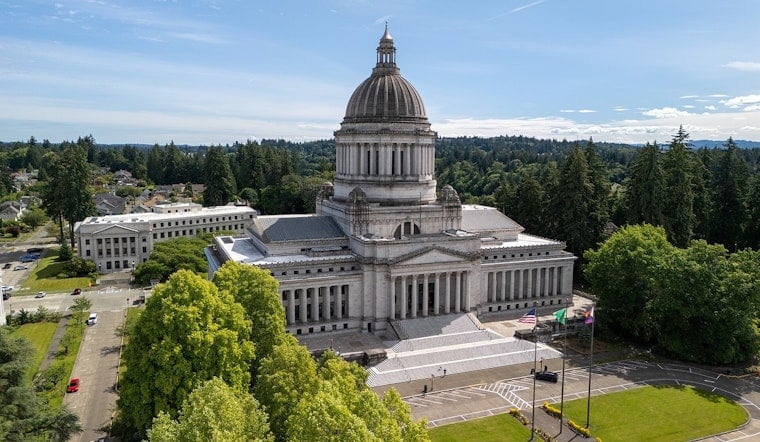
Washington state is on the brink of plugging its Cap-and-Invest program into a much bigger game, joining California and Québec in a shared carbon market that would form North America’s largest subnational emissions trading system. If the deal goes through, it would reshape how major polluters buy carbon allowances and could steady a market that has seen some serious price swings since Washington launched its program.
Regulators move to align rules
On June 1, the Washington Department of Ecology rolled out a package of proposed regulatory amendments designed to sync up compliance deadlines, auction procedures and other technical rules so the three markets can operate as one, according to the Washington Department of Ecology. The agency says these steps position the state to sign a linkage agreement this year and start running a shared market with California and Québec in 2027. The rulemaking also keeps in place protections that are meant to ensure at least 35 percent of auction revenues continue to flow to vulnerable communities under the Climate Commitment Act.
How a linked market would work
In a linked system, carbon allowances issued by any participating jurisdiction can be used across the combined market, and the partners would hold joint auctions and share a single allowance price, according to the California Air Resources Board. Earlier this year, the three governments released a draft framework spelling out how they would harmonize offsets, registries and information sharing so that the combined system runs smoothly, as reported by E&E News.
What it could mean for prices and consumers
Modeling from Resources for the Future suggests a linked Pacific carbon market would generally bring down allowance prices for Washington’s covered entities while also tamping down volatility. Those changes could make it less likely that compliance costs are passed on to households and businesses, according to Resources for the Future. State officials have also highlighted possible consumer upside, with some arguing that a larger, more stable market could translate into lower prices at the gas pump, as reported by The Seattle Times.
Local concerns and the equity review
The linkage review process includes an Environmental Justice Assessment and public outreach aimed at understanding how a shared market might affect overburdened communities and state revenue streams. Advocates have pushed for firm safeguards so that any benefits meaningfully reach those communities, according to the Environmental Defense Fund’s account of the draft agreement. Supporters say linkage will bolster market stability and give investors more confidence. Critics counter that if allowance prices fall, auction revenue could also drop, potentially squeezing the funding available for local climate, health and resilience projects.
Next steps and timeline
The formal rule filing pegs Sept. 23, 2026, as the intended adoption date and opens a public comment window that runs into mid-July, according to the state rule notice in the Washington State Register. If Washington regulators and the two partner governments all sign off, the three jurisdictions could be operating a joint carbon market as early as 2027, according to reporting by The Seattle Times.
“We’re on track to form a historic partnership that will set the stage for sustainable progress,” Ecology Director Casey Sixkiller said, casting linkage as both a climate and economic play, according to the Washington Department of Ecology. As the rulemaking grinds forward, opponents are likely to keep a close eye on how the final rules and the flow of auction dollars actually shake out in communities across the state.





